

Unlock the Secrets to a Lush Green Lawn: How to Properly Fertilize Your Lawn

A healthy lawn is the pride of every homeowner. It’s where kids play, pets frolic, and family gatherings take place. However, achieving that verdant paradise requires more than just basic maintenance. Proper fertilization is a crucial part of lawn care that many overlook. In this guide, we’ll walk you through all the essential steps to fertilize your lawn correctly, making it thrive and look stunning all year round. And for those in the area, considering mowing services in Belton, TX, this guide will be beneficial in understanding how to optimize your green space care.
Understanding Your Lawn’s Needs
Before diving into fertilization techniques, it’s essential to understand what your lawn needs. Different grass types have varying nutrient requirements. Take the time to identify your grass variety and its specific nutrient needs. This information will be pivotal in ensuring your lawn receives the appropriate treatment.
The Basics of Lawn Fertilization
Fertilizers are compounds that supply essential nutrients to grass. These nutrients typically fall into three main categories:
Nitrogen (N): Promotes lush, green growth and is essential for leaf development.
Phosphorus (P): Encourages strong root development and flowering.
Potassium (K): Aids in overall plant health and disease resistance.
Most fertilizers come with a ratio on the packaging that indicates the proportions of these three essential nutrients. For instance, a 20-10-10 fertilizer contains 20% nitrogen, 10% phosphorus, and 10% potassium. It’s crucial to choose a fertilizer that meets your lawn’s specific nutrient demands.
When to Fertilize Your Lawn
Timing is key when it comes to fertilization. Here are some tips to optimize your fertilization schedule:
Spring Fertilization: As the lawn comes back to life after winter, apply fertilizer to give it a boost. This is particularly important in lawn care in Bell County as the growth begins.
Summer Fertilization: Mid-summer fertilization can help maintain growth, especially for cool-season grasses. Use a slow-release formula to prevent burning the grass.
Fall Fertilization: Fall is the perfect time to prepare your lawn for winter. Fertilizing in late summer or early fall can build healthy roots and ensure robust growth in the spring.
Preparing Your Lawn for Fertilization
Preparation is critical for effective fertilization. Follow these steps to get your lawn ready:
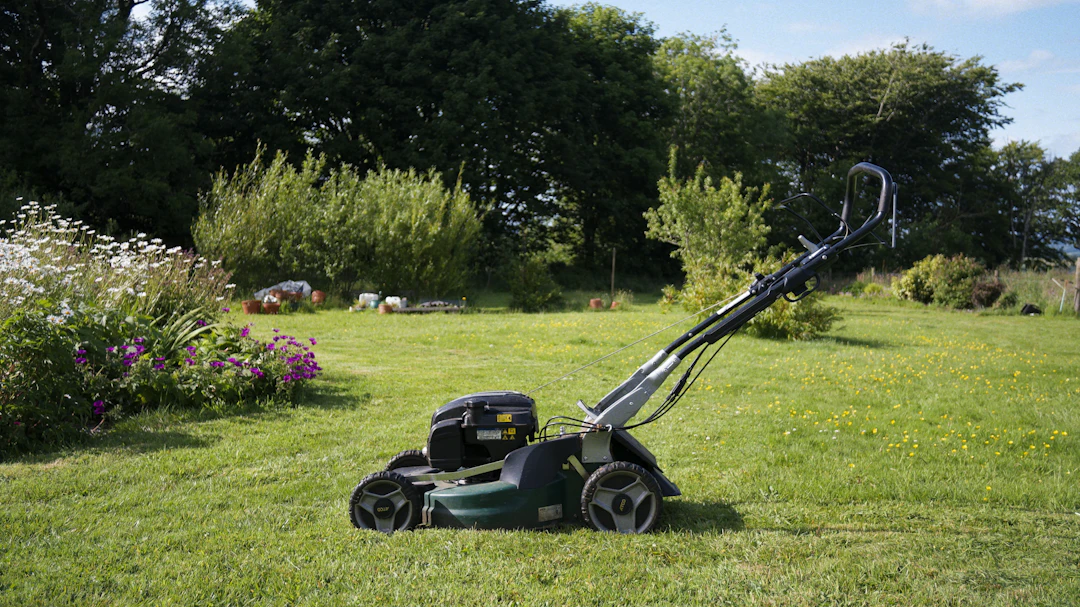
Mow the Lawn: Keep your grass at an appropriate height before fertilization. There’s a good reason why mowing company near me services are buzzing during the fertilization season.
Check Soil pH: Soil pH affects nutrient absorption. A pH between 6.0 and 7.0 is ideal for most grasses. Test your soil to determine if modifications are necessary.
Watering Ahead of Time: Moist soil can help distribute fertilizer evenly and improve nutrient uptake. Water your lawn a day or two before applying fertilizer.
Methods for Applying Fertilizer
Once you’ve gathered your materials and prepared your lawn, it’s time to apply the fertilizer. Here are various methods you can opt for:
Granular Fertilizer
Granular fertilizers are among the most common forms of fertilizer available. You can apply them using a spreader for even distribution. Here’s how:
Set the spreader to the recommended setting based on the fertilizer instructions.
Walk in rows to ensure complete coverage without overlaps or missed spots.
Water your lawn after application to help the fertilizer penetrate the soil.
Liquid Fertilizer
Liquid fertilizers can be mixed with water and applied with a sprayer or watering can. They offer quick nutrient absorption. Follow these steps:
Dilute liquid fertilizer correctly according to the instructions.
Apply during the cooler parts of the day to prevent evaporation and burning.
Monitor grass response and, if needed, adjust the frequency of application.
Post-Fertilization Lawn Care
After fertilizing, it’s essential to maintain your lawn properly to maximize the benefits.
Water Regularly: Ensure the lawn receives adequate hydration, especially in the days following fertilization.
Avoid Heavy Foot Traffic: Limit activities on your lawn for a few days post-application to allow the nutrients to work effectively.
Monitor Grass Growth: Observe how your lawn responds and adjust future fertilization practices based on its condition.
Choosing the Right Lawn Care Professionals
If fertilization feels overwhelming or you’d prefer expert assistance, consider hiring professional mowing in Temple, TX. Professional services not only take care of the mowing but can also provide comprehensive lawn care, including fertilization. Here’s why enlisting a professional may be worthwhile:
Expert Knowledge: Professionals understand grass types and soil conditions and can tailor treatments to your lawn’s unique needs.
Time-Saving: Hiring a professional frees up your time for other activities while ensuring that your lawn stays healthy.
Precision and Equipment: Professionals have access to specialized equipment and are trained in applying fertilizers correctly, reducing the risk of over-fertilization.
Common Mistakes to Avoid
Even seasoned lawn care enthusiasts can make mistakes when fertilizing. Here are some common errors to avoid:
Over-Fertilizing: Adding too much fertilizer can lead to chemical buildup, grass burn, and potential water pollution.
Ignoring Soil Tests: Skipping soil tests leads to misunderstandings about your lawn's nutrient needs. Always test before you treat.
Applying Fertilizer on Wet Grass: This can cause fertilizer particles to stick to the blades rather than reaching the soil. Wait until the grass is dry before application.
Unlocking Your Lawn’s Full Potential
Proper lawn fertilization is a blend of timing, preparation, and technique. By following these guidelines, you’ll help your grass flourish and become the envy of the neighborhood. Whether you manage the task yourself or hire Belton mowing services, understanding the essential aspects of lawn care will lift your outdoor space to new heights.
In summary, by using proper fertilization techniques, watering correctly, and seeking professional help when needed, you can develop a lush, healthy lawn that enhances your property’s curb appeal. Now get ready to kick back and enjoy the rewarding results of your hard work!
FAQs
What are the essential nutrients needed for a healthy lawn?
The essential nutrients needed for a healthy lawn are nitrogen (N), phosphorus (P), and potassium (K). Nitrogen promotes lush growth, phosphorus encourages strong root development, and potassium aids in overall plant health.
When is the best time to fertilize my lawn?
The best times to fertilize your lawn are in spring, mid-summer, and fall. Spring fertilization helps kickstart growth after winter, summer fertilization maintains growth, and fall fertilization prepares the lawn for winter.
How should I prepare my lawn before fertilizing it?
To prepare your lawn for fertilization, mow the grass to an appropriate height, check the soil pH, and water the lawn a day or two before applying fertilizer.
What are the common methods for applying fertilizer?
Common methods for applying fertilizer include using granular fertilizers with a spreader for even distribution and applying liquid fertilizers mixed with water using a sprayer or watering can.
What mistakes should I avoid when fertilizing my lawn?
Common mistakes to avoid when fertilizing include over-fertilizing, ignoring soil tests, and applying fertilizer on wet grass, which can hinder proper nutrient absorption.



Comments