

Transform Your Lawn: The Ultimate Guide to Using Mulch for Lawn Health

When it comes to maintaining a lush, healthy lawn, the right techniques can make all the difference. One such technique that has gained popularity over recent years is the use of mulch. While most people associate mulch with flowerbeds and gardens, understanding its role in lawn care can potentially revolutionize how you approach landscaping. If you're a homeowner in Belton, TX, or the Bell County area, you might benefit immensely from integrating mulch into your lawn care routine.
What Exactly is Mulch?
Mulch can be defined as any material that is spread or laid over the surface of the soil, often used to retain moisture, suppress weeds, and enhance the overall aesthetic of a garden or lawn. It's essential for maintaining healthy grass and can serve as an insulating layer that protects your lawn from temperature fluctuations.
Benefits of Using Mulch for Lawn Health
Implementing mulch in your lawn care routine can lead to numerous benefits, which include:
Moisture Retention: Mulch acts as a barrier that helps retain water within the soil, reducing the need for frequent irrigation. This is particularly advantageous in drought-prone areas like Belton, TX.
Weed Suppression: A thick layer of mulch can significantly reduce weed growth, where fewer weeds mean less competition for valuable nutrients and water.
Soil Temperature Regulation: Mulch can help keep the soil at an even temperature, protecting the roots of your grass from extreme heat or cold.
Nutrient Release: Organic mulches, such as wood chips or grass clippings, gradually decompose and enrich the soil with essential nutrients, enhancing lawn health.
Choosing the Right Type of Mulch
Before you start your mulching journey, it's important to know that not all mulches are created equal. Here are a few types of mulches that are particularly effective for lawn health:
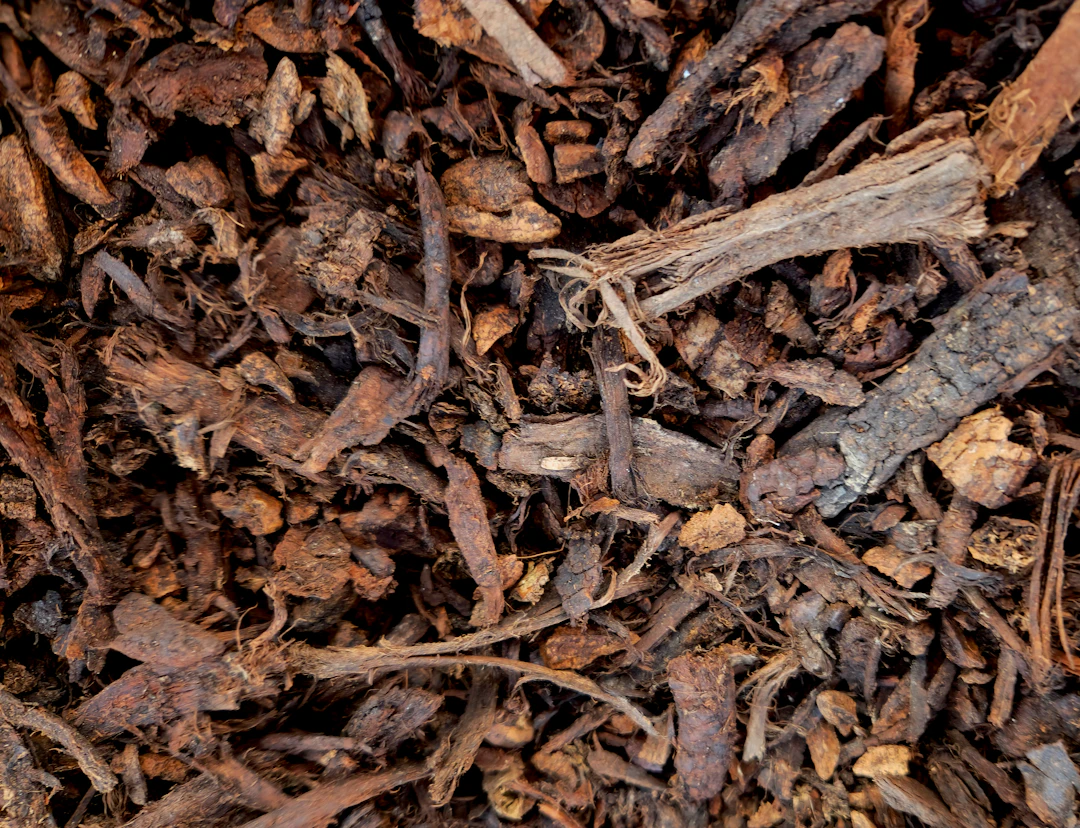
Organic Mulch: This includes materials such as straw, grass clippings, wood chips, and leaves. Organic mulches will break down over time, supplying your lawn with nutrients.
Inorganic Mulch: These are materials such as gravel or rubber that do not break down and are more durable. They can be great for decorative purposes or around garden beds, but they do not contribute to soil health.
The Perfect Mulching Technique
To achieve the best results from mulching, it's essential to apply it correctly. Follow these steps:
Prepare Your Lawn: Before mulching, mow your lawn to a height of about 2-3 inches. This will help the mulch make contact with the soil.
Choose the Depth: Aim for a 2-3 inch layer of mulch around the grass. Too much can suffocate the grass beneath it.
Spread Evenly: Use a rake to evenly spread the mulch across your lawn. Make sure to leave space around the base of trees and shrubs to avoid moisture buildup.
Water Wisely: After applying mulch, water your lawn lightly to help settle the mulch and maintain soil moisture levels.
When to Apply Mulch
The timing of mulching is equally important. It’s ideal to mulch your lawn in the early spring or fall when the grass is actively growing. In Belton, TX, this is typically around March to May or September to October. Proper timing will allow the mulch to play its essential roles without blocking sunlight.
Pairing Mulch with Mowing Services
If you're considering lawn care in Bell County, you may want to think about incorporating professional mowing services along with your mulching efforts. Mowing not only keeps your lawn looking neat but helps maintain optimal grass height for effective mulch application. When you opt for mowing services in Belton TX, professionals ensure your grass is trimmed to the perfect height, which allows for the best interaction between the grass and the mulch.
The Role of Mulch in Pest Control
Another undisputed advantage of using mulch is its ability to deter pests. A thick layer of mulch can create an environment that is less hospitable to certain pests, reducing the need for harmful chemical interventions. This is particularly crucial for families and pets living in Bell County, as using eco-friendly practices benefits both your lawn and your loved ones.
DIY Mulch Options for Your Lawn
One of the best aspects of mulch is that many homeowners can create their own! If you’re looking to save some money while maintaining a healthy green lawn, consider these DIY options:
Grass Clippings: After mowing your lawn, leave the clippings behind. They will decompose and nourish your soil.
Leaves: In the fall, instead of bagging leaves, shred them and use as mulch.
Bark and Wood Chips: If you have trees or shrubs in your yard, use the bark and wood trimmings as mulch.
Finding Mulching Experts Near You
For those who prefer to leave lawn maintenance to the experts, searching for a mowing company near me will yield numerous options. This is especially important in Temple, TX, where finding reliable professional mowing services can enhance your lawn care strategy significantly. Many of these companies will also offer mulching services, addressing how mulch can boost not just your lawn's health but its aesthetic appeal.
Maintaining Your Mulch Throughout the Year
Once you've mulched your lawn, it's essential to maintain it properly. Regularly check the depth of your mulch, as it may decompose or wash away over time. Topping off your mulch every few months will ensure your lawn continues to benefit from this practice. Also, keep an eye on areas where grass may begin to grow through the mulch layer, as these will need to be monitored for potential weeds.
Expert Tips for Belton Homeowners
As a Belton homeowner, here are some expert tips to ensure you maximize your mulching efforts:
Consider a mulch blend that complements your local soil type.
Avoid using dyed mulches, as they may contain harmful chemicals.
Monitor mulch thickness after heavy rains, as erosion may occur, requiring more material.
Elevate Lawn Health Through Community Efforts
Engaging with your community can amplify the benefits of using mulch for lawn health. Consider organizing local workshops or community cleanup days focused on lawn care. Not only will this foster relationships and build a sense of camaraderie among neighbors, but it will also enhance the health of shared spaces in Belton. By collaborating with local lawn care experts, you can further educate neighbors about the advantages of mulch and other effective techniques.
Wrapping It All Up!
Utilizing mulch for your lawn health isn’t just a trend; it’s a sustainable practice that benefits both the environment and your home. With its moisture-retaining properties, nutrient enhancement capabilities, and reduction of weeds, mulch is an essential element to consider in any lawn care strategy. Whether you're utilizing the local belton mowing services or seeking professional mowing in Temple TX, integrating mulch will ensure your lawn thrives year-round. Start mulching today, and experience the revitalization of your outdoor space!
FAQs
What is mulch and how is it used in lawn care?
Mulch is any material spread over the soil surface to retain moisture, suppress weeds, and enhance the aesthetic of a lawn. It helps maintain healthy grass and protects roots from temperature fluctuations.
What are the benefits of using mulch for lawn health?
Benefits of using mulch include moisture retention, weed suppression, soil temperature regulation, and nutrient release through the decomposition of organic mulches.
What types of mulch are effective for lawn health?
Effective types of mulch include organic mulch, such as straw, grass clippings, wood chips, and leaves, which provide nutrients as they decompose, and inorganic mulch like gravel or rubber, which is more durable but doesn't enhance soil health.
When is the best time to apply mulch to your lawn?
The ideal time to mulch your lawn is in early spring or fall, typically between March to May or September to October, when the grass is actively growing.
How can homeowners maintain mulch throughout the year?
Homeowners should regularly check the depth of the mulch, topping it off every few months as it decomposes or washes away. They should also monitor for grass growth through the mulch layer, which may indicate the need for weed management.


Comments