

The Secret to Lush Lawns: The Role of Soil Health in Lawn Care

A beautiful lawn is the pride of any homeowner, but achieving and maintaining that lush green paradise requires more than just regular mowing and watering. At the heart of vibrant lawn care lies one essential element: soil health. Understanding the role of soil health in lawn care can transform your lawn from patchy and dull to a verdant masterpiece. In this article, we'll explore the critical relationship between soil health and lawn care, discuss effective practices to improve your lawn's soil, and highlight services like mowing services in Belton, TX that can elevate your lawn care routine.
Understanding Soil Health
Soil health refers to the condition of the soil and its ability to support plant growth. Healthy soil is not just dirt; it’s a living ecosystem filled with microorganisms, nutrients, and organic matter. A well-balanced soil composition ensures that your grass receives the essential nutrients it needs to thrive.
Key Components of Soil Health
Nutrients: Essential elements like nitrogen, phosphorus, and potassium are crucial for lawn growth.
Microorganisms: Beneficial bacteria and fungi help decompose organic matter, enriching your soil.
Soil Structure: Good soil structure improves aeration, drainage, and root penetration.
pH Level: The acidity or alkalinity of the soil affects nutrient availability.
Maintaining a harmonious balance of these components is vital for a healthy lawn. Going beyond just the visible aspects of lawn care can result in a flourishing green space that amplifies your property’s appeal.
Soil Testing: The First Step in Lawn Care
To improve soil health, understanding its current condition is necessary. This can be achieved through soil testing. Many local gardening centers or agricultural extensions offer soil testing services to analyze your soil's nutrient content, pH levels, and organic matter. Additionally, engaging with lawn care in Bell County professionals can provide insights into local soil conditions and address specific nutritional needs.
How to Conduct Soil Testing
Gather Samples: Collect soil samples from different areas of your lawn to get a comprehensive overview.
Send for Testing: Follow instructions from your local testing service to prepare and send your samples.
Receive Results: Review the results to understand what nutrients are lacking or present in excess.
By taking the time to test your soil, you lay the groundwork for effective lawn care strategies, enhancing the overall health and appearance of your lawn.
Amending Soil for Optimal Health
Once you have the results of your soil test, you may need to amend your soil to improve its health. This can involve adding organic matter, adjusting pH levels, or incorporating specific nutrients. Here are some effective soil amendments:
Compost: Improves soil structure and provides essential nutrients. Adding compost to your lawn can significantly boost soil health.
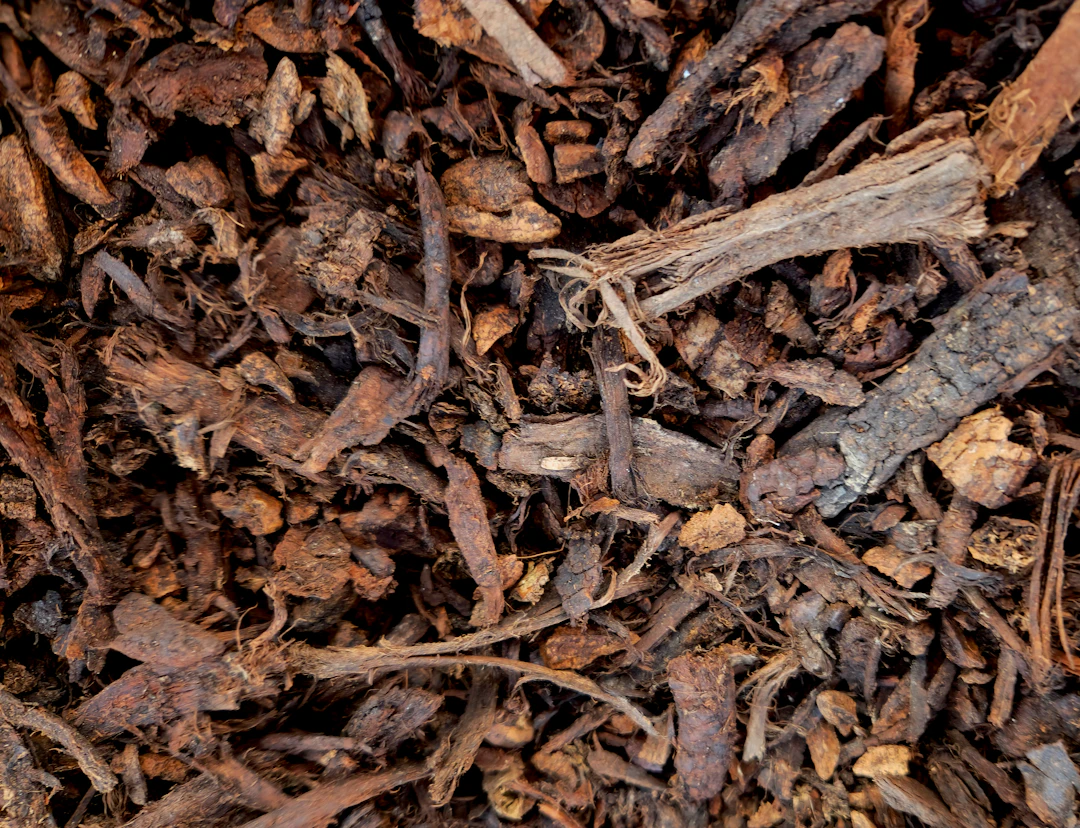
Mulch: Helps retain moisture, suppress weeds, and gradually adds organic matter as it breaks down.
Lime or Sulfur: Adjusts soil pH levels to optimize nutrient availability.
Fertilizers: Based on your soil test, select organic or synthetic fertilizers to replenish specific nutrient deficiencies.
Hiring a mowing company near me with expertise in soil amendments can also help streamline this process, ensuring that your lawn gets the exact treatment it needs.
The Importance of Aeration
Aeration is another vital practice that directly impacts soil health. Over time, soil can become compacted, leading to restricted root growth and reduced oxygen levels. Aeration involves perforating the soil with holes, allowing air, water, and nutrients to penetrate deeper into the root zone. Here’s why aeration matters:
Enhances Root Growth: It promotes deeper and stronger root systems, which are essential for lawn resilience.
Improves Nutrient Uptake: Prepares the soil to absorb nutrients more efficiently.
Reduces Thatch: It helps break down thatch, the layer of dead grass and roots, allowing for better soil contact.
Consider scheduling regular aeration alongside professional mowing in Temple, TX for a holistic lawn care approach.
Water Management: Key to Soil Health
While soil health is crucial for plant growth, water management is equally important. Proper irrigation practices not only ensure your grass receives sufficient moisture but also support soil health. Here are some essential tips for effective watering:
Deep Watering: Water deeply and less frequently to encourage deeper root growth.
Time of Day: Water early in the morning to minimize evaporation and fungal risks.
Soil Moisture Checks: Regularly check soil moisture levels to avoid over-watering or under-watering.
Consulting with local Belton mowing services can help identify optimal watering schedules suited to your specific soil type and local climate.
Regular Lawn Maintenance for Long-Term Success
In addition to the aforementioned practices, regular lawn maintenance is essential for sustaining soil health over time. Here are some key maintenance activities to incorporate into your lawn care routine:
Routine Mowing
Mowing is not just about keeping your yard neat; it plays a significant role in promoting growth. When done correctly, mowing helps control weeds and encourages dense grass growth. Ensure that you don’t mow your lawn too short, as this can stress the grass and damage the root system.
Fertilization
Implementing a fertilization schedule based on your soil health will provide your turf with the necessary nutrients. Opt for organic fertilizers when possible, as they improve soil structure and enhance microbial life.
Weed Control
Weeds compete with your grass for nutrients and water. Application of mulch and maintaining a healthy lawn density can reduce weed problems. For persistent issues, consider consulting with lawn care professionals specializing in lawn care in Bell County.
Conclusion: Your Lawn’s Foundation to Beauty and Resilience
Maintaining soil health is foundational to a thriving lawn. From conducting soil tests to regular mowing and correct watering practices, every step you take plays a role in nurturing the environment in which your grass grows. By prioritizing soil health, you set the stage for a robust and attractive lawn that not only beautifies your home but also stands resilient against seasonal challenges. So, as you embark on your lawn care journey, remember that the secret to sustainable beauty lies deep beneath the surface!
FAQs
What is soil health and why is it important for lawn care?
Soil health refers to the condition of the soil and its ability to support plant growth. It is essential for lawn care as it ensures that grass receives the necessary nutrients for thriving.
How can I test the health of my soil?
You can test soil health by gathering samples from different areas of your lawn and sending them to local testing services, which will analyze nutrient content, pH levels, and organic matter.
What are some common soil amendments to improve lawn health?
Common soil amendments include compost, mulch, lime or sulfur for pH adjustment, and fertilizers based on soil test results to replenish specific nutrient deficiencies.
How does aeration benefit my lawn?
Aeration enhances root growth, improves nutrient uptake, and helps reduce thatch, allowing better air and nutrient penetration to the root zone.
What regular maintenance practices are essential for sustaining soil health?
Key maintenance practices include routine mowing, a fertilization schedule based on soil health, and effective weed control methods.




Comments