

The Secret to a Lush Lawn: Understanding the Role of Fertilization in Lawn Health

When it comes to achieving a vibrant and lush lawn, fertilization plays a crucial role in promoting overall health and vitality. Homeowners often underestimate the importance of fertilization in ensuring their lawns thrive, especially with various factors affecting grass health throughout the seasons. In this blog post, we will explore the significance of fertilization, the different types and benefits of fertilizers, and how professional mowing services in Belton, TX, can enhance your lawn care routine.
Why is Fertilization Essential for Lawn Health?
Fertilization is not merely about making your lawn look green; it serves multiple functions that contribute to the overall health of grass. Here are some key reasons why fertilization is essential:
Nutrient Supply: Grass requires a variety of nutrients to grow. Fertilizers provide essential elements such as nitrogen, phosphorus, and potassium, allowing grass to develop strong roots and vibrant blades.
Soil Enrichment: Fertilizers can improve soil quality by replenishing its nutrient content. Healthier soil leads to healthier grass.
Increased Resilience: Well-fertilized lawns can better withstand stresses from diseases, pests, drought, and environmental changes.
Enhanced Microbial Activity: Fertilization fosters beneficial microbial activity in the soil, which helps in breaking down organic matter and enhancing nutrient availability.
The Different Types of Fertilizers
Understanding the various types of fertilizers is essential for effective lawn care in Bell County. The main categories include:
1. Granular Fertilizers
Granular fertilizers are easy to apply and provide a slow-release of nutrients. They are particularly beneficial for lawns that need a steady supply of nutrients over time.
2. Liquid Fertilizers
Liquid fertilizers absorb quickly through the grass blades and roots, providing an immediate boost in nutrition. They are often preferred for spot treatments or when rapid growth is needed.
3. Organic Fertilizers
Organic fertilizers, made from natural materials, are eco-friendly options that improve soil health over the long term. They stimulate microbial activity and enhance nutrient retention in the soil.
4. Synthetic Fertilizers
Synthetic fertilizers are chemically manufactured and provide rapid nutrient availability. However, they might not improve soil health as effectively as organic options.
How Often Should You Fertilize Your Lawn?
The frequency of fertilization depends on various factors, including grass type, soil quality, and seasonal changes. Here are general guidelines to follow:
Cool-Season Grasses: Typically benefit from fertilization in early spring and again in late fall.
Warm-Season Grasses: Optimal fertilization occurs in late spring through summer, aligning with their peak growth period.
For residents seeking professional mowing services in Belton, TX, discussing a fertilization schedule with your lawn care provider can ensure your lawn receives the right nutrients at the right time, promoting healthier growth and resilience.
Signs Your Lawn Needs Fertilization
Being able to identify when your lawn requires fertilization can help maintain its beauty and health. Here are some signs to look out for:
Pale Color: If your grass appears yellow or pale, it may lack essential nutrients.
Uneven Growth: If some areas of your lawn grow faster than others, it can indicate a nutrient deficiency.
Weak Root System: When grass is shallow-rooted, it can result in drought stress and increased vulnerability to pests.
Thinning Grass: If your lawn appears sparse or thin, it may need a nutrient boost.
The Best Time to Fertilize Your Lawn
Timing your fertilization is key to maximizing its effectiveness. The best time to fertilize your lawn depends on several factors, including climate, grass type, and growth patterns. Here are some tips for successful fertilization:
For cool-season grasses, aim for fertilization in early spring when growth resumes.
For warm-season grasses, fertilizing in late spring ensures optimal nutrient availability during their peak growth.
Always consider the weather; avoid fertilizing just before heavy rainfall to prevent nutrient runoff.
Consulting with a local mowing company near you can give you valuable insights into the best timing and practices for your specific lawn.
Boosting Effectiveness with Adjoining Practices
Fertilization is just one component of effective lawn care in Bell County. Pairing fertilizer application with complementary practices can lead to more successful results:
Mowing
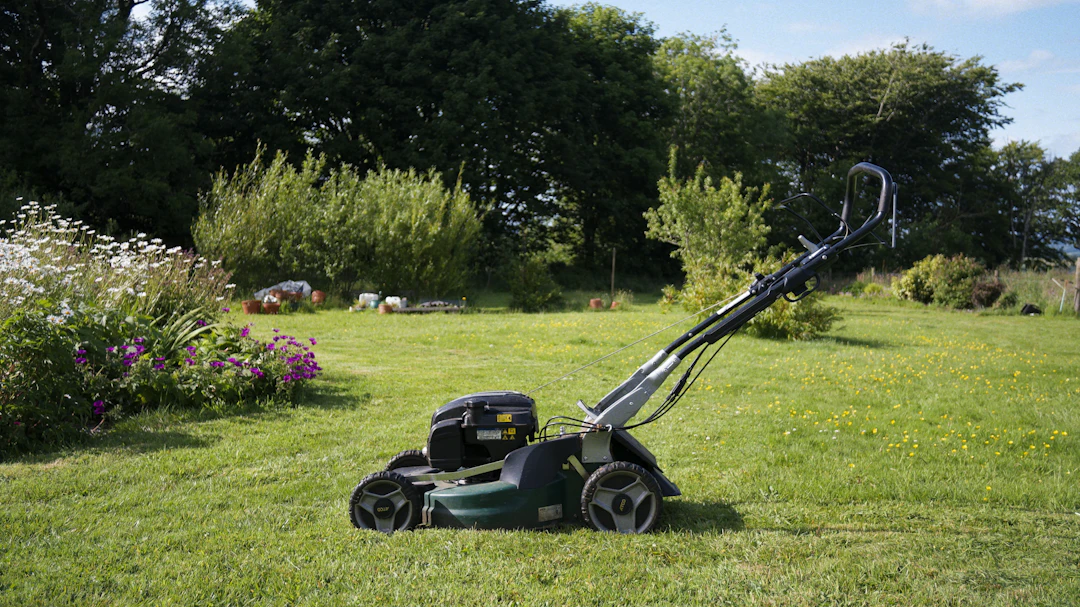
Regular mowing is crucial for lawn maintenance. Keep your grass at the recommended height for the species you have. This not only encourages healthy growth but also allows for even nutrient absorption. If you’re in need of professional mowing in Temple, TX, consider hiring experts to maintain your lawn to promote optimal health.
Aeration
Soil compaction can limit root development and nutrient absorption. Aeration helps alleviate compaction, allowing grass roots to access essential nutrients more effectively. This practice is best performed during the growing season.
Irrigation
Ensure your lawn receives adequate water as part of your fertilization routine. Watering promotes nutrient uptake and prevents the risk of burning your grass due to concentrated fertilizer application.
Finding the Right Lawn Care Services
As a homeowner, you may wonder how to manage fertilization and mowing services effectively. Finding a reliable landscaping company can greatly enhance your lawn's health. Look for services that understand local soil conditions and grass types.
In your search for Belton mowing services, consider reviews, recommendations, and personal consultations with prospective companies. Engaging a team of certified professionals ensures that you not only get great mowing but a comprehensive lawn care strategy tailored to your lawn's specific needs.
The Impact of Environmental Factors
Several environmental factors can influence the effectiveness of fertilization. Understanding them can enhance your lawn's health:
Soil pH: Soil pH can affect nutrient availability. A pH test can guide you in selecting the right fertilizer.
Climate: Temperature and rainfall play roles in grass growth and nutrient needs. Adjust your fertilization and mowing schedules accordingly.
Foot Traffic: High traffic can stress out your lawn. Using low-nutrient fertilizers in these areas may be beneficial for recovery.
Unlocking the Potential of Your Lawn
Incorporating fertilization into your lawn care routine is fundamental to cultivating a vivid and resilient lawn. Recognizing its importance and pairing it with appropriate mowing services, aeration, and irrigation will lead to impressive results.
As you absorb this information, consider how it applies specifically to your lawn’s unique needs. A proactive approach to lawn health, including understanding fertilization's role, will lay the foundation for a beautiful, thriving landscape. You’ll not only enhance your curb appeal but also create an outdoor environment you can happily enjoy throughout the year.
If you're ready to elevate your lawn game, don't hesitate to seek professional lawn care in Bell County. The combination of skilled professionals and effective fertilization practices will keep your lawn looking lush and beautiful, making your home the talk of the neighborhood!
FAQs
Why is fertilization essential for lawn health?
Fertilization supplies essential nutrients like nitrogen, phosphorus, and potassium, improves soil quality, increases resilience against stress, and enhances microbial activity in the soil.
What are the different types of fertilizers?
The main types of fertilizers include granular fertilizers for slow nutrient release, liquid fertilizers for quick absorption, organic fertilizers for eco-friendly soil health, and synthetic fertilizers for rapid nutrient availability.
How often should you fertilize your lawn?
Cool-season grasses typically need fertilization in early spring and late fall, while warm-season grasses benefit from fertilization in late spring through summer.
What are signs that your lawn needs fertilization?
Signs include pale grass color, uneven growth, weak root systems, and thinning grass.
What practices can enhance the effectiveness of fertilization?
Complementary practices include regular mowing at the recommended height, aeration to alleviate soil compaction, and adequate irrigation to promote nutrient uptake.



Comments