

The Science Behind Lawn Thatch: Understanding and Managing Your Lawn’s Health

Every homeowner with a passion for landscaping knows that a lush, vibrant lawn is not just an aesthetic enhancement to their property but also serves as a critical component of the ecosystem. One of the biggest challenges faced in maintaining a healthy lawn is thatch. In this article, we’ll delve into the science behind lawn thatch, its implications, and how you can effectively manage it to ensure that you enjoy a thriving green space.
What is Lawn Thatch?
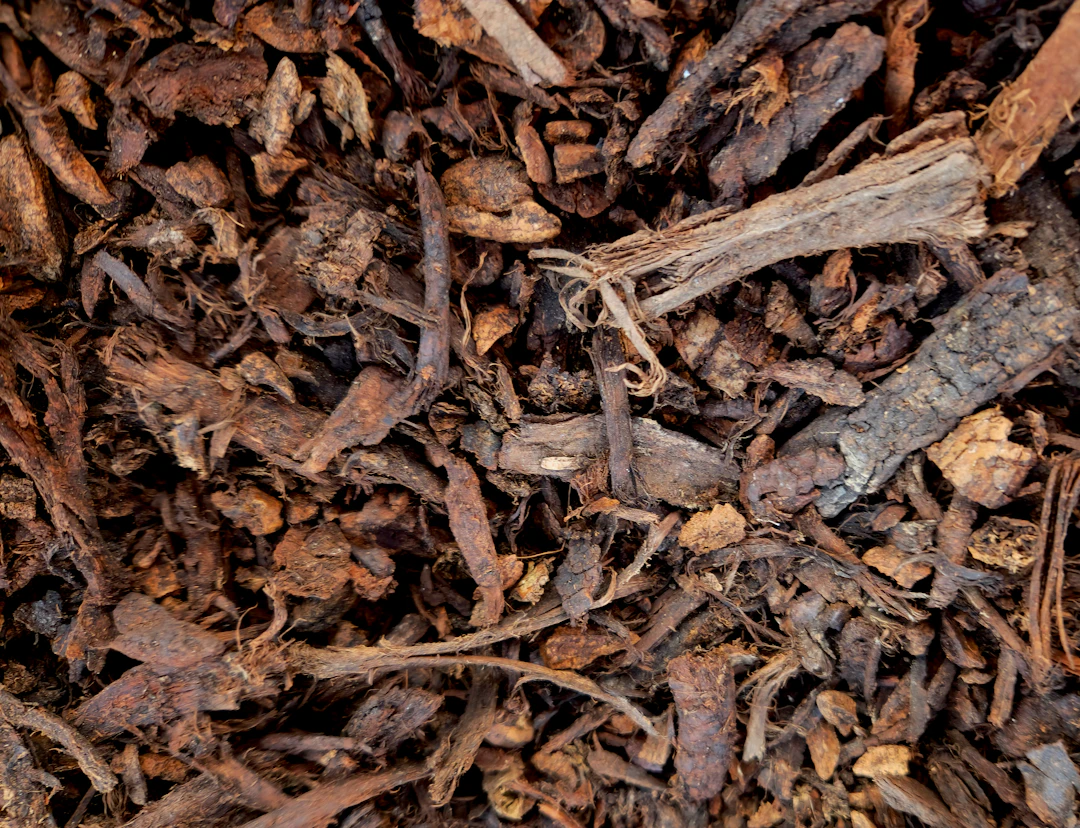
Lawn thatch is a layer of organic debris that accumulates on the soil surface, comprised mainly of dead grass, leaves, and roots. It's a natural part of a lawn's growth cycle; however, when build-up exceeds half an inch, it can lead to various problems. Understanding the composition and role of thatch is crucial for effective lawn care in Bell County.
The Role of Thatch in Your Lawn Ecosystem
Thatch plays a dual role in your lawn ecosystem. On one hand, it can provide insulation for the roots, retain moisture, and support beneficial microorganisms. Conversely, excessive thatch can impede water and nutrient penetration into the soil, leading to insufficient root growth and increased susceptibility to pests and diseases.
The Causes of Thatch Accumulation
Several factors contribute to the build-up of lawn thatch:
Grass Type: Some grass species are more prone to thatch accumulation. For example, cool-season grasses may develop thatch more quickly than warm-season varieties.
Mowing Practices: Regular mowing services in Belton, TX can help prevent thatch accumulation, but improper practices, such as mowing at the wrong height or using dull blades, can exacerbate the issue.
Soil Compaction: Compact soils can restrict root growth and contribute to thatch build-up as roots struggle to penetrate the hard ground.
Excess Nitrogen: Over-fertilizing your lawn can lead to a fast rate of new growth, which increases the amount of thatch produced.
Identifying Thatch Problems in Your Lawn
Keeping an eye on your lawn’s health can help you quickly identify potential thatch problems. Here are some signs to look for:
Poor Drainage: If you notice standing water after rain or irrigation, it may indicate that thatch is preventing water from reaching the soil.
Shallow Rooting: Grass that struggles to root deeply could be hindered by thatch, leading to a weaker lawn.
Patchy Growth: Areas of your lawn that are yellowing or not growing as robustly may indicate that versus thriving sections with a more optimal thatch level.
Increased Pests: Lawns with high thatch levels often experience greater pest activity as they create an ideal habitat for critters to thrive.
Managing Thatch Levels: Tips for Homeowners
Managing thatch levels requires a combination of proper lawn care practices. Some effective strategies include:
1. Mowing Practices
Scheduling regular mowing services in Belton, TX allows for consistent grass height maintenance. Aim to keep your grass at an optimal height for its type—typically, this is 2.5 to 4 inches for most lawns. Sharp mower blades can make cleaner cuts that reduce stress on grass.
2. Aeration
Aerating your lawn is an effective way to alleviate thatch issues. Aeration involves creating holes in the soil to reduce compaction, improve water drainage, and promote root growth. This can be performed by a professional mowing company near you or done as a DIY project in your garden.
3. Overseeding
Spreading new grass seed can help thicken your lawn and overshadow the effects of thatch. This ensures that existing healthy grass is supplemented rather than struggling against a thatchy layer. Consider scheduling professional mowing in Temple, TX, during the overseeding process to ensure optimal results.
4. Adjusting Fertilization
Excess nitrogen can significantly boost thatch accumulation. Ensure you’re using a balanced fertilizer that suits your specific grass type. Soil testing can provide guidance on nutrient needs and prevent over-fertilization.
5. Dethatching
If thatch levels are too high, dethatching might be necessary. This process involves using a dethatching rake or machine to remove excess thatch. While doing this, do consider hiring Belton mowing services that offer dethatching as part of their lawn maintenance packages for effective results.
How Soil Management Influences Thatch
The state of your soil plays a critical role in determining thatch levels. Healthy soil promotes deep rooting and reduces thatch build-up. Here’s how to optimize your soil health:
Testing Soil: Regularly test your soil to determine pH and nutrient levels, which can guide your fertilizer choices.
Improving Drainage: Proper drainage systems can help mitigate excess thatch by promoting quick absorption of water.
Organic Matter: Adding organic matter, such as compost, can improve soil structure and water retention, promoting a healthy root system.
The Importance of Professional Lawn Care
While it is tempting to take the DIY route for lawn maintenance, professional lawn care services offer expertise and experience that can prove invaluable. These professionals understand local climate conditions, grass types, and lawn diseases that can affect thatch levels. When searching for mowing services in Belton, TX, consider companies that provide comprehensive lawn health assessments as part of their services.
Engaging Your Lawn: The Emotional Connection
It’s essential to remember that a lawn is not just an extension of your home; it’s a connection to nature. Maintaining its health through understanding and managing thatch can lead to immense satisfaction, whether you're hosting family gatherings, enjoying quiet evenings, or simply admiring the vivid colors of well-kept grass. By employing effective lawn care practices and engaging the services of professionals, you’re not only creating a beautiful outdoor space but also enhancing your quality of life.
Your Lawn Journey Begins Today!
Embarking on the journey of maintaining a healthy, lush lawn need not be overwhelming. Understanding the science behind lawn thatch is the first step towards creating an outdoor oasis. Employing correct mowing practices, aeration techniques, and efficient soil management can keep thatch levels in check while promoting a vibrant lawn. Explore local mowing services or reach out to a trusted mowing company near you to enhance your lawn care experience in Bell County. Remember, a beautifully maintained lawn is just a few easy steps away from becoming your reality. So roll up your sleeves, dive into the science of lawn care, and enjoy the transformative power of a healthy lawn!
FAQs
What is lawn thatch?
Lawn thatch is a layer of organic debris that accumulates on the soil surface, made up of dead grass, leaves, and roots. It becomes problematic when its build-up exceeds half an inch.
What are the signs of thatch problems in my lawn?
Signs of thatch problems include poor drainage, shallow rooting, patchy grass growth, and increased pest activity.
How can I effectively manage thatch levels?
Effective ways to manage thatch levels include proper mowing practices, aeration, overseeding, adjusting fertilization, and dethatching if necessary.
Why is soil management important for thatch?
Healthy soil promotes deep rooting and reduces thatch build-up, therefore regular soil testing and improving drainage are essential for optimal soil health.
Should I consider professional lawn care for thatch management?
Yes, professional lawn care services provide expertise and experience that can be invaluable in managing thatch and maintaining overall lawn health.



Comments