

The Ecological Benefits of Lawn Care: How Your Yard Affects the Environment

Lawn care is often seen as a way to maintain a visually stunning property, but its impact on the environment goes far beyond aesthetics. A well-managed lawn not only enhances the look of your home but also plays a crucial role in promoting sustainability, improving air quality, and conserving water. In this article, we'll explore the multifaceted implications of lawn care on the environment and how it can benefit local ecosystems, highlighting services like mowing services Belton TX and professional mowing in Temple TX.
The Basics of Lawn Care and Its Benefits
At its core, lawn care encompasses a variety of practices aimed at maintaining a healthy and attractive lawn. These practices can include mowing, fertilization, aeration, and pest control. Understanding how these aspects work helps in recognizing their environmental significance. For those seeking help, hiring a mowing company near me can provide expert guidance tailored to your specific lawn care needs.
Air Quality Improvement
Grass plays a crucial role in filtering pollutants from the air. Through photosynthesis, it absorbs carbon dioxide and releases oxygen, contributing significantly to improved air quality. Regular lawn care practices like mowing and fertilization encourage healthy grass growth, which means more oxygen for the environment. By choosing belton mowing services, you can ensure that your lawn is consistently manicured to maximize its air-cleansing abilities.
Soil Health and Erosion Control
The health of your lawn can significantly impact soil quality and help prevent erosion. Proper lawn care improves the soil's structure, enhances its capacity to retain water, and promotes a healthy ecosystem beneath the surface. Aeration, a common lawn care practice, opens up the soil, allowing for better water absorption and root growth. This not only benefits your grass but also provides a more stable environment for local wildlife.
Worms and Microorganisms
A healthy lawn is home to various organisms that contribute to soil health. Earthworms, beneficial insects, and microorganisms work together to decompose organic matter and recycle nutrients. By engaging professional mowing in Temple TX, you can ensure that your lawn maintenance supports these important species rather than harming them, creating a thriving ecosystem right in your backyard.
Water Conservation Strategies
Water is one of our most precious resources, and efficient lawn care can play a pivotal role in conserving it. Overwatering not only wastes water but can also lead to a shallow root system in grass. Here are several ways lawn care can contribute to water conservation:
Proper Mowing Practices: Regular mowing at the right height helps regulate moisture levels in the soil.
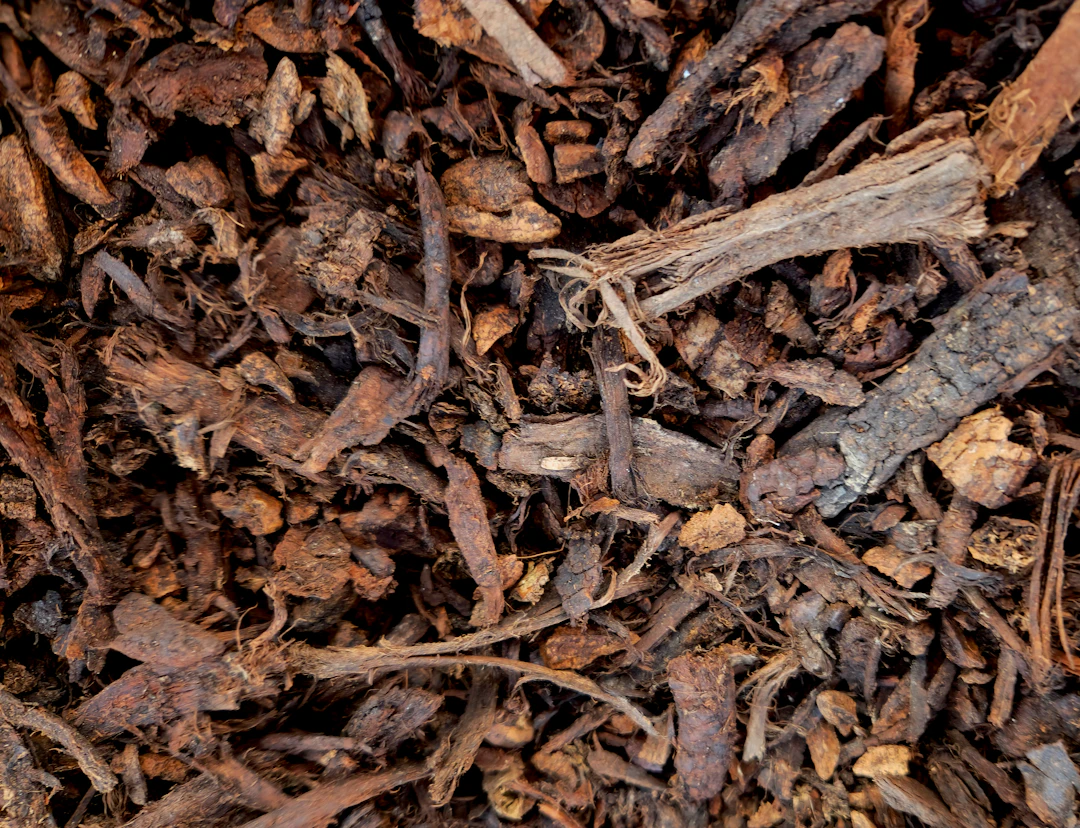
Mulching: Grass clippings can be left on the lawn to decompose and return nutrients to the soil, reducing the need for fertilizers and thus lessening the frequency of watering.
Efficient Irrigation Methods: Installing systems that accommodate the specific needs of your lawn will maximize water use.
By utilizing mowing services Belton TX, homeowners can implement these practices effectively, making their lawn not just beautiful but also sustainable.
Biodiversity and Wildlife
A well-kept lawn can provide habitat for a variety of species. From insects like pollinators to small mammals, a healthy lawn can support local biodiversity. You can enhance this effect by incorporating varied plant species and avoiding the use of harsh chemicals. Landscaping with native plants not only benefits your lawn but also encourages wildlife to thrive. When you engage a mowing company near me, consider inquiring about their knowledge on incorporating biodiversity into your lawn care plan.
Reducing Your Carbon Footprint
Managing a lawn can also contribute to reducing your overall carbon footprint. Traditional lawn maintenance practices have evolved, embracing more sustainable approaches. Here are some ways maintaining your lawn can have a positive environmental impact:
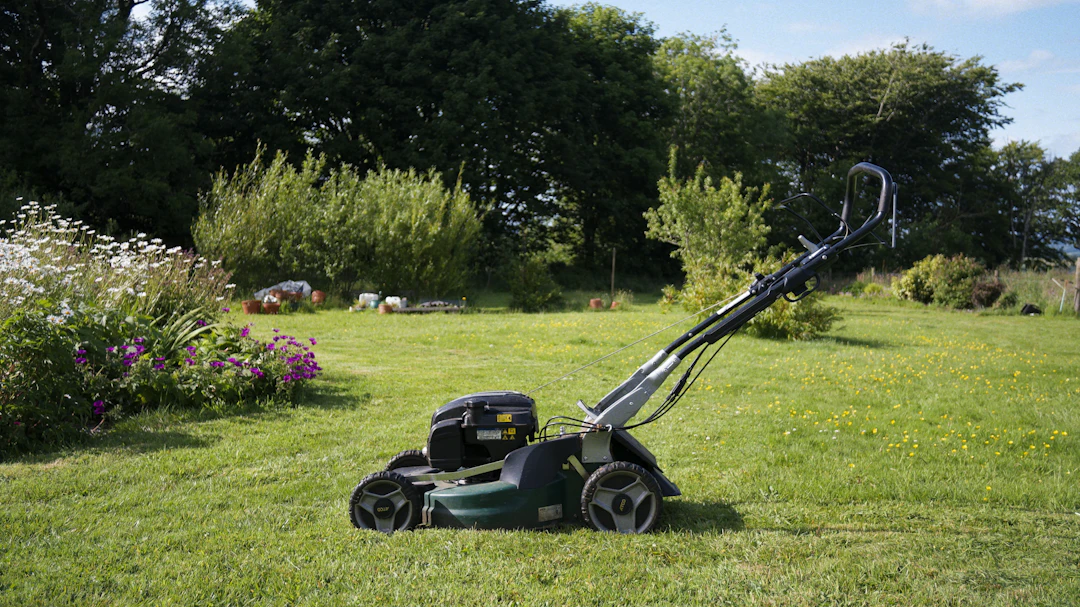
Electric or Reel Mowers: Opting for electric mowers or reel mowers over gas-powered options significantly reduces fossil fuel consumption and emissions.
Organic Lawn Care: Utilizing organic fertilizers and pest control methods minimizes chemical runoff into local water systems, enhancing environmental health.
Fuel-efficient Lawn Services: Hiring local services like professional mowing in Temple TX can reduce the carbon footprint associated with long-distance transportation.
The Role of Community
Lawn care doesn’t just affect individual homes; it resonates throughout the community. Neighborhood aesthetics can drive property values up while also improving community pride. Engaging with reliable belton mowing services can help foster this sense of community as neighbors work together to keep their properties healthy and appealing.
Creating a Healthier Urban Environment
In urban settings, lawns and green spaces are critical for managing urban heat effects and stormwater runoff. By maintaining a healthy lawn, you contribute to the cooling effects that grass has on urban heat islands, which can significantly lower temperatures in cities.
Stormwater Management
Proper lawn care helps control runoff during rainy seasons, allowing water to infiltrate the soil rather than flowing into storm drains. This permeation reduces flooding risk and minimizes erosion. Simple practices such as planting rain gardens or creating swales can further enhance your lawn's ability to manage stormwater effectively. Hiring mowing services in Belton TX can help homeowners implement these practices successfully.
Making Sustainable Choices in Lawn Care
Ultimately, your approach to lawn care can have profound consequences on the environment. The choices made during lawn maintenance can either enhance ecological health or detract from it. Here are some sustainable choices you can implement to ensure your lawn care is environmentally friendly:
Choose Native Grass Varieties: They require less water and are more resilient to local pests.
Adopt Integrated Pest Management (IPM): This combines cultural, biological, and chemical tactics for sustainable pest control.
Emphasize Organic Practices: Reducing or eliminating synthetic chemicals can make your lawn care much safer for both your family and the local ecosystem.
Educate Yourself: Stay informed about new sustainable lawn care methods and technologies.
By incorporating these sustainable practices into your lawn care routine, you'll help ensure that your yard benefits both your home and the environment.
Your Lawn in Harmony with Nature
As we've explored, lawn care's impact on the environment is vast and significant. From improving air quality and conserving water to nurturing local ecosystems, a well-maintained lawn plays a vital role in promoting sustainability. Regardless of whether you choose to tackle lawn care yourself or seek the services of professionals, such as mowing services Belton TX, your efforts will contribute to a healthier planet for generations to come.
Embrace the responsibility that comes with lawn care, and rest assured that your decisions, whether big or small, can collectively create a greener, healthier world. Dive into sustainable practices today and enjoy not only the beauty of your lawn but the peace of mind that comes with doing your part for the environment.
FAQs
What are the ecological benefits of lawn care?
Lawn care promotes sustainability, improves air quality, conserves water, and supports local ecosystems.
How does lawn care affect air quality?
Grass filters pollutants from the air, absorbs carbon dioxide, and releases oxygen, thereby improving air quality.
What practices contribute to water conservation in lawn care?
Proper mowing, mulching, and efficient irrigation methods help conserve water in lawn care.
How can a healthy lawn support biodiversity?
A healthy lawn can provide habitat for various species, including pollinators and small mammals, enhancing local biodiversity.
What are sustainable choices for lawn care?
Sustainable choices include using native grass varieties, adopting integrated pest management, emphasizing organic practices, and educating yourself on new methods.


Comments