

Mastering Lawn Drainage: Tips to Transform Your Yard

Are you tired of excess water pooling in your yard after every rain? Lawn drainage issues not only ruin your outdoor space but can also lead to a plethora of problems, including pest infestations and damaged grass. If you’re located in Belton, TX, or nearby areas, and are seeking professional solutions, you’ve come to the right place! Our guide will delve into practical ways to improve lawn drainage issues, ensuring your lawn is always in pristine condition.
Understanding Lawn Drainage Issues
Before we explore the solutions, it is essential to grasp the various causes of lawn drainage problems. The foremost factors include:
Soil Composition: Heavy clay soil retains water, making drainage difficult.
Landscape Features: Trees and large plants can divert water flow.
Flat Terrain: Lack of slope prevents proper water runoff.
Poorly Designed Drainage Systems: Ineffective gutters and drainage can aggravate the problem.
Understanding these causes will help in identifying the right solutions for your lawn. Remember, whether you search formowing services in Belton TXor need guidance on lawn care in Bell County, knowing your particular issue is the first step toward an effective remedy.
Assessing Your Lawn's Drainage
To improve your lawn drainage, you first need to conduct an assessment of your yard. Here’s how you can do it:
Watch the Water: After a rainfall, observe areas where water tends to pool.
Check Soil Moisture: Dig a small hole and assess how saturated the soil is after a rain.
Examine Plant Health: Plants sitting in waterlogged areas often exhibit yellowing or wilting.
These observations will aid in pinpointing problem areas and tailoring your approach to suit your lawn. Still unsure? Contact amowing company near methat specializes in drainage issues for expert advice!
Effective Solutions for Lawn Drainage
Now let's dive into some practical solutions to improve your lawn drainage. Incorporating these methods will significantly enhance the health and aesthetics of your lawn:
1. Aerate Your Lawn
Aeration involves perforating the soil with holes to allow air, water, and nutrients to penetrate deep into the root zone. This is especially beneficial in soils that are heavily compacted. You can rent an aerator from a local gardening store or hire professional mowing in Temple TX services for assistance.
2. Create a Rain Garden
Rain gardens are shallow, planted depressions that collect rainwater from roofs, driveways, and lawns. They are landscaped with native plants that thrive in wet conditions, which helps absorb excess water, rather than allowing it to run-off into your yard.
3. Install French Drains
A French drain is a trench filled with gravel or rock that contains a perforated pipe. It efficiently carries surface water away from your lawn, alleviating pooling. Installing this system might be best left to professionals who are familiar with drainage solutions, so consider reaching out to a reliableBelton mowing serviceto assist you.
4. Build a Dry Well
A dry well is an underground structure that collects excess water and allows it to seep into the surrounding soil gradually. It’s helpful for redirecting water away from problem areas and promoting drainage.
5. Level the Lawn
Sometimes, the simplest solution is leveling your lawn. If your yard has uneven areas where water can collect, consider a regrading project to create a slight slope away from your home. This ensures that water flows naturally away from the foundation and lowers the risk of water pooling.
Improve Soil Health
Good drainage starts with healthy soil. Here are some tips to enhance soil quality:
Add Organic Matter: Incorporate compost and well-rotted manure to improve soil structure and drainage.
Test Soil pH: Conduct a soil test to ensure pH levels are optimal for healthy grass. Amendments might be necessary based on the results.
Choose Proper Grass Varieties: Select drought-resistant grass types that thrive in your local climate.
By ensuring soil health, you create a thriving environment that encourages proper drainage and minimizes water pooling. For long-term maintenance, look intolawn care in Bell Countyfor routine services that maintain optimal soil health.
Seek Professional Help When Necessary
Sometimes, drainage problems can be too complex to handle on your own. Seeking professional assistance is a wise choice, and manymowing services in Belton TXcan also provide expert drainage solutions. They possess the necessary knowledge and tools to evaluate your yard’s condition and implement effective systems.
Maintaining Your Lawn Post-Drainage Solutions
Once you’ve implemented the necessary drainage solutions, maintenance becomes essential to ensuring long-lasting results:
Regular Mowing: Keep the grass at its appropriate height to promote better water absorption.
Water Management: Avoid overwatering your lawn and consider monitoring rainfall for irrigation needs.
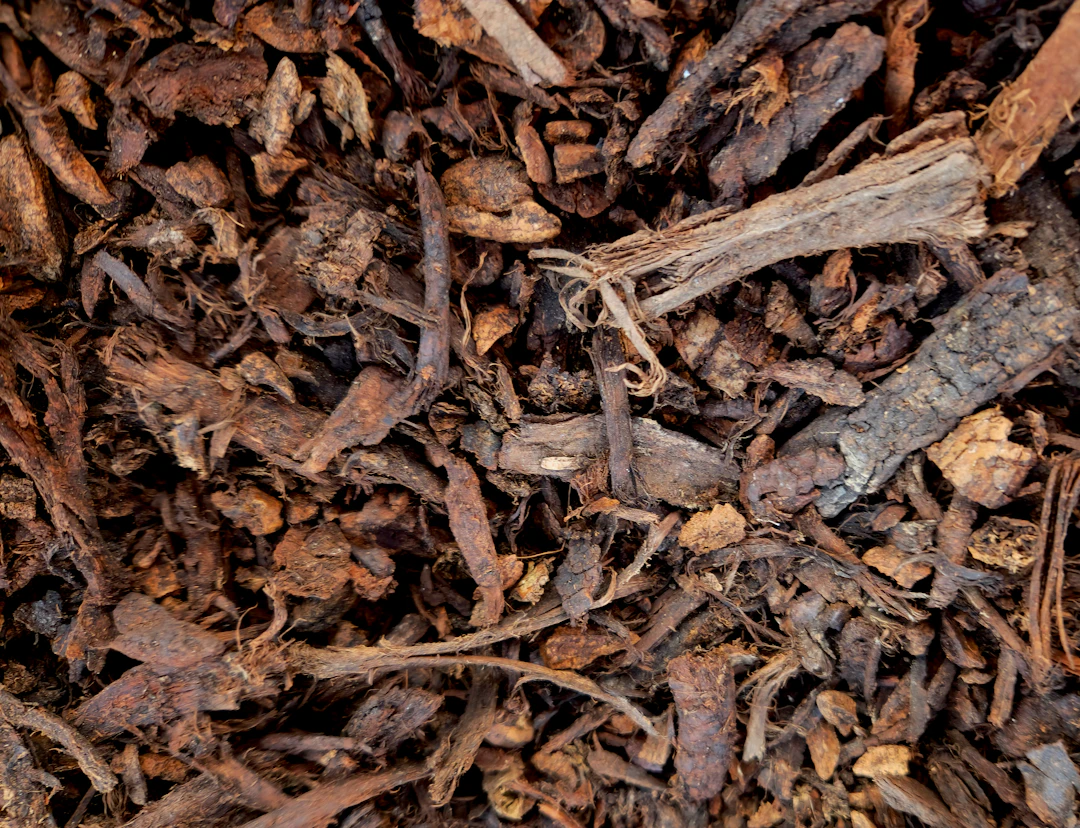
Mulching: Adding mulch around plants can help retain moisture while preventing soil erosion.
Seasonal Maintenance: Perform seasonal inspections to ensure that the drainage systems remain functional and free from debris.
With the right strategies and consistent maintenance, your lawn can not only avoid drainage issues but thrive beautifully year-round.
Making Your Lawn Flourish
Improving lawn drainage issues may seem daunting, but with the right approach and mindset, you can transform your outdoor space into a lush, healthy oasis. By understanding the causes, assessing your yard, and implementing effective solutions, you’ll achieve a lawn that’s both functional and visually appealing. Don’t forget to consult local experts providingprofessional mowing in Temple TXshould you need assistance.With dedication and the right knowledge, your lawn will go from dealing with drainage issues to lush green space that brings joy to you and your family. Happy gardening!
FAQs
What are the common causes of lawn drainage issues?
The common causes of lawn drainage issues include heavy clay soil, landscape features like trees that divert water, flat terrain that lacks slope, and poorly designed drainage systems.
How can I assess my lawn's drainage problems?
You can assess your lawn's drainage by observing where water pools after rainfall, checking soil moisture by digging a small hole, and examining the health of plants in waterlogged areas.
What are some effective solutions for improving lawn drainage?
Effective solutions include aerating your lawn, creating a rain garden, installing French drains, building a dry well, and leveling the lawn to ensure proper slope.
How can I improve the soil quality for better drainage?
To improve soil quality, add organic matter like compost, test soil pH, and choose drought-resistant grass varieties that thrive in your climate.
When should I seek professional help for lawn drainage issues?
You should seek professional help when drainage problems are too complex to resolve on your own, as experts have the knowledge and tools to implement effective drainage solutions.


Comments