

Mastering Lawn Care: Tips for Maintaining a Healthy Lawn in Drought Conditions

In the warm and often dry climates of Belton, TX, keeping your lawn healthy during drought conditions can present some significant challenges. As the temperatures rise and rainfall becomes scarce, many homeowners find themselves uncertain about how to best care for their grass. Fortunately, with the right techniques and a bit of know-how, you can maintain a vibrant lawn even when water is limited. This article will equip you with essential tips and strategies to help you weather the drought without sacrificing the appearance or health of your lawn.
Understanding Drought and Its Impact on Lawns
Drought is defined as a prolonged period of below-average precipitation, which can severely stress grass and other landscaping plants. During these times, the soil dries out, and grass often suffers from lack of hydration, leading to browning and stunted growth. For those invested in lawn care in Bell County, recognizing the signs of drought stress early on is crucial for taking appropriate action.
Identifying Drought Stress in Your Lawn
Color Change: Grass may turn from vibrant green to a dull brown or yellow.
Wilting: Grass blades may curl or become limp during the heat of the day.
Footprints: If your footsteps leave a mark that doesn’t bounce back, this indicates your lawn is stressed.
Brown Patches: Look for areas with uneven color or patches that appear completely dried out.
Monitoring these signs will help you understand when your lawn may need some extra love and care. Thankfully, many homeowners in Central Texas, especially those looking for mowing services in Belton, TX, can utilize effective drought management techniques to combat these issues.
1. Adjust Your Mowing Practices
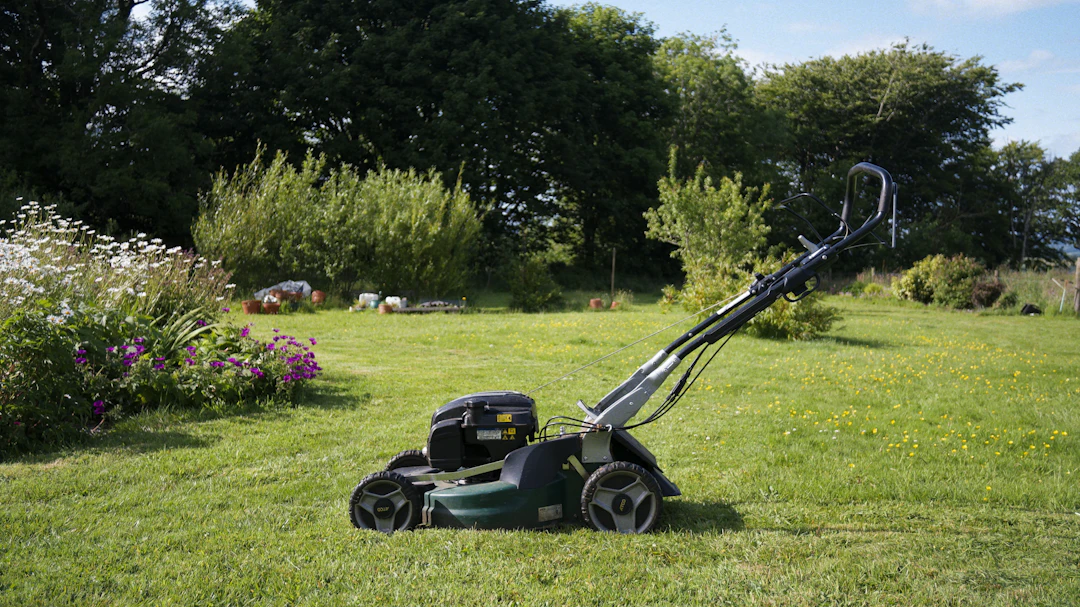
Mowing plays a critical role in keeping your lawn healthy, especially during dry conditions. The first adjustment you should make is related to the height of your mower blades. Taller grass can shade the soil, helping to reduce drying.
Optimal Mowing Height
Keep your grass at a height of 3-4 inches. This height encourages deeper root growth and helps retain moisture. Moreover, ensuring that your mower blades are sharp is important; dull blades can tear grass and make your lawn more susceptible to pests and diseases.
Frequency Matters
Reduce the frequency of mowing. Cutting the grass too short or too often can stress it further. On hot days, consider skipping mowing altogether and allowing your grass to breathe.
2. Create a Watering Schedule
During drought conditions, you need a well-structured watering routine. Lawns generally require about one inch of water per week to stay healthy. However, when facing dry spells, it’s essential to apply your water efficiently.
Watering Tips
Early Morning Watering: The best time to water is early in the morning when temperatures are cooler, reducing evaporation.
Deep and Infrequent: Water less frequently but deeply—this encourages the grass to develop strong root systems that can withstand drought.
Grass Types: Adjust your watering based on the grass type. Some grasses are more drought-resistant and require less water.
If you prefer not to manage this yourself, consider reaching out to a mowing company near you, which might offer comprehensive lawn care services, including watering options!
3. Aeration Is Key
Aerating your lawn helps relieve compaction and provides better air and water circulation in the soil. Drought conditions often lead to compacted soil, which can inhibit root growth. By aerating your lawn, you create small holes in the soil that facilitate moisture retention and promote healthier grass.
When to Aerate
While you can aerate at any time, ideally you should do it just before the rainy season or during a period when you’re watering actively. This will give your lawn the best chance to recover and thrive.
4. Use Mulch Effectively
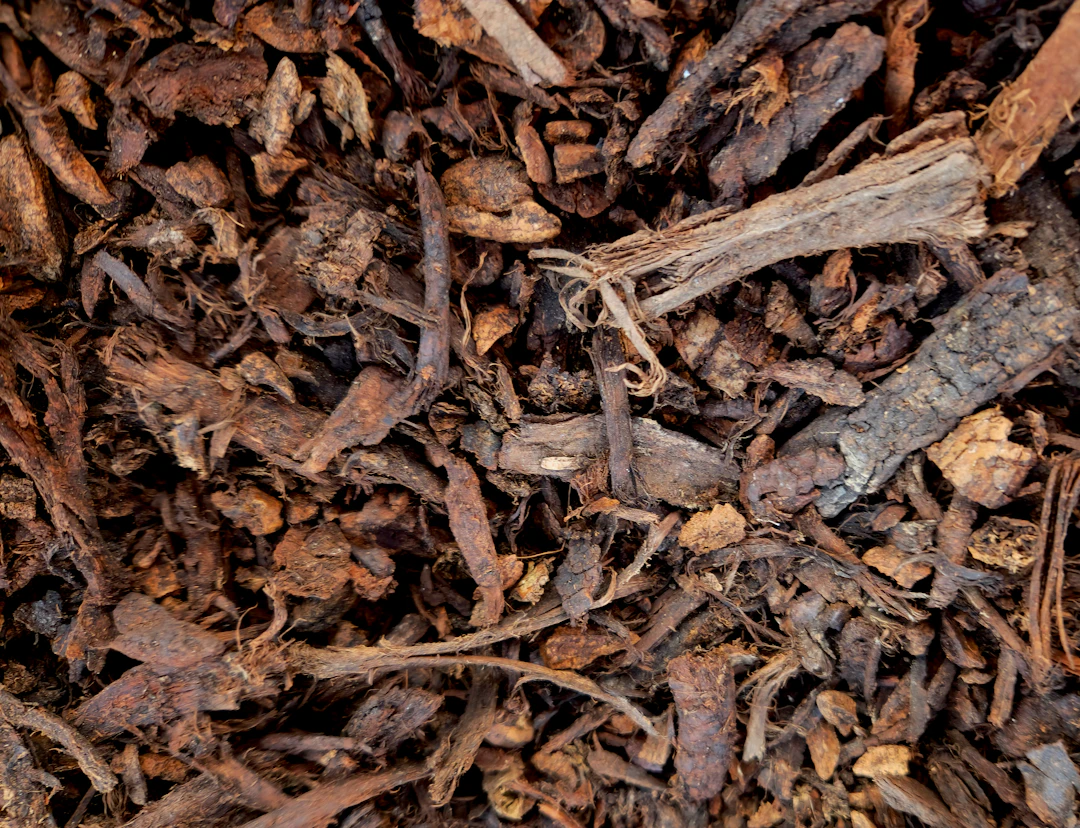
Mulching around trees, shrubs, and garden beds can help maintain soil moisture and reduce evaporation. In addition, a good layer of mulch improves soil health as it breaks down over time.
Types of Mulch
Organic Mulch: Materials like wood chips, straw, or grass clippings.
Inorganic Mulch: Stones or rubber, which can conserve soil moisture but don’t provide as many nutrients.
Apply a 2-3 inch layer of mulch around your plants and in garden beds, keeping it a few inches away from the base of the plants to prevent rot.
5. Fertilizing Wisely
Be careful when fertilizing your lawn during drought conditions. While nutrients are essential, applying too much fertilizer can stress your grass even more.
Best Practices for Fertilizing in Drought
Slow-Release Fertilizer: Use slow-release formulations to provide nutrients gradually.
Limit Applications: Fertilizing during dry periods can lead to more burn; consider postponing until conditions improve.
Soil Testing: Test your soil to understand its nutrient needs, which can guide your fertilizing schedule effectively.
Engaging professional mowing in Temple TX can assist with proper fertilization practices to ensure your lawn stays nourished and beautiful.
6. Plan for Drought-Resistant Grass Options
If drought conditions are a consistent issue in your area, consider investing in drought-resistant grass types when grading or re-sodding your lawn. Grasses like Bermuda, Zoysia, or certain fescues have shown better resistance to dry spells.
Advantages of Drought-Resistant Grass
Low Maintenance: Require less watering and care during dry spells.
Durable: These types of grass often withstand heat and foot traffic better than traditional grasses.
Environmentally Friendly: Reduced water needs help conserve local resources.
By selecting appropriate grass types, you can significantly reduce your lawn care efforts and maintain a healthier outdoor space, even during challenging drought years.
7. Monitor Lawn Health Regularly
Keeping an eye on your lawn’s condition is key for successful drought management. Regularly inspect for signs of pests, disease, or environmental stress. Early detection can make all the difference in your lawn's health.
Seasonal Checks
Spring and Fall: These seasons are ideal for testing soil and planning ahead for winter.
Summer: Focus on checking for any heat-related stress.
Winter: While grass is dormant, maintain any necessary lawn care practices, especially as the weather warms.
For those unsure about the best inspections or treatments, consider partnering with reliable Belton mowing services that offer comprehensive lawn maintenance plans.
Before You Go - Empower Your Lawn with Knowledge
Successfully maintaining a lawn in drought conditions requires diligence, knowledge, and care. By adjusting your mowing practices, establishing an appropriate watering schedule, and considering professional guidance, you ensure your lawn remains lush and green through the toughest times. Whether you rely on expert help or commit to improving your lawn care skills yourself, remember that your dedication to maintaining a healthy lawn will lead to a beautiful, resilient outdoor space.
So don’t wait for the next drought to creep in—take action today by implementing these essential tips and create a lasting impression with your lawn that will be the envy of the neighborhood!
FAQs
What signs indicate that my lawn is experiencing drought stress?
Signs of drought stress include color changes in grass from green to brown or yellow, wilting or curling blades, footprints that leave marks without bouncing back, and the presence of brown patches.
What is the optimal mowing height for maintaining a healthy lawn during drought?
The optimal mowing height during drought is 3-4 inches, which encourages deeper root growth and helps retain moisture.
When is the best time to water my lawn in drought conditions?
The best time to water your lawn is early in the morning when temperatures are cooler, which helps reduce evaporation.
How can aeration help my lawn during drought conditions?
Aeration relieves soil compaction, improves air and water circulation, promotes moisture retention, and encourages healthier grass growth.
What are some advantages of using drought-resistant grass types?
Drought-resistant grass types, such as Bermuda or Zoysia, require less water, are more durable, and help conserve local water resources.



Comments