

Master Your Lawn: Common Lawn Weeds and How to Control Them

Maintaining a lush, green lawn is a dream for many homeowners in Bell County. However, the presence of pesky lawn weeds can turn that dream into a nightmare. Understanding common lawn weeds and effective control methods is crucial. In this guide, we’ll explore various types of weeds, their impact on your lawn, and practical strategies for managing them.
Understanding the Impact of Weeds
Lawn weeds are not just unsightly; they compete with your grass for essential nutrients, water, and sunlight. In Bell County, certain types of weeds thrive due to the local climate and soil conditions. Let’s identify some of the most prevalent lawn weeds and how to control them effectively.
Common Lawn Weeds Found in Bell County
Dandelion
Dandelions are one of the most recognizable weeds, with their bright yellow flowers turning into fluffy seed heads. These perennial weeds can spread quickly, thanks to their airborne seeds. They thrive in disturbed soil, making them common in lawns that are not well maintained.
Clover
Clover, particularly white clover, is often mistaken for a beneficial plant due to its nitrogen-fixing properties. However, it can take over a lawn if not kept in check. Clover prefers moist, poorly drained soil, making it common in lush lawns without proper mowing services in Belton, TX.
Crabgrass
Crabgrass is an annual weed that germinates in spring and can quickly dominate a lawn if not removed promptly. Look for its wide blades and tendency to spread horizontally. It thrives in sunny areas and low-mowed grass, often appearing in lawns with infrequent professional mowing in Temple, TX.
Chickweed
Chickweed is a low-growing annual weed with small white flowers. It flourishes in cool weather and can quickly blanket grassy areas. Its rapid growth can choke out your lawn, requiring effective management strategies during early spring and fall.
Thistle
Thistles, known for their spiny leaves and purple flowers, are perennial weeds that can be very invasive. Once established, they can be challenging to control and may require professional mowing services in Belton, TX, to prevent them from taking over.
Preventing Weeds Through Proper Lawn Care
Proper lawn care is vital to preventing weed infestations. Here are some effective practices to implement in your routine:
1. Regular Mowing
Mowing at the right height is crucial. A taller grass can shade the soil, making it harder for weed seeds to germinate. Aim to keep your grass at a height of 3 to 4 inches. If you don’t have the time or skills, consider hiring a reputable mowing company near me to handle the task.
2. Fertilization
Healthy grass grows stronger and more resilient against weeds. Apply the right fertilizers at the correct times to promote lush growth. Consulting local lawn care experts can help you identify the best fertilization schedule for your property.
3. Aeration
Aeration improves soil compaction and enhances water, nutrient, and oxygen flow to grass roots. This can create an environment where grass thrives over weeds. Aerate your lawn in the fall or spring to help improve its overall health.
4. Proper Watering
Deep and infrequent watering encourages strong grass roots, making it harder for weeds to establish themselves. Water your lawn early in the morning, ensuring that the moisture penetrates deep into the soil.
5. Mulching
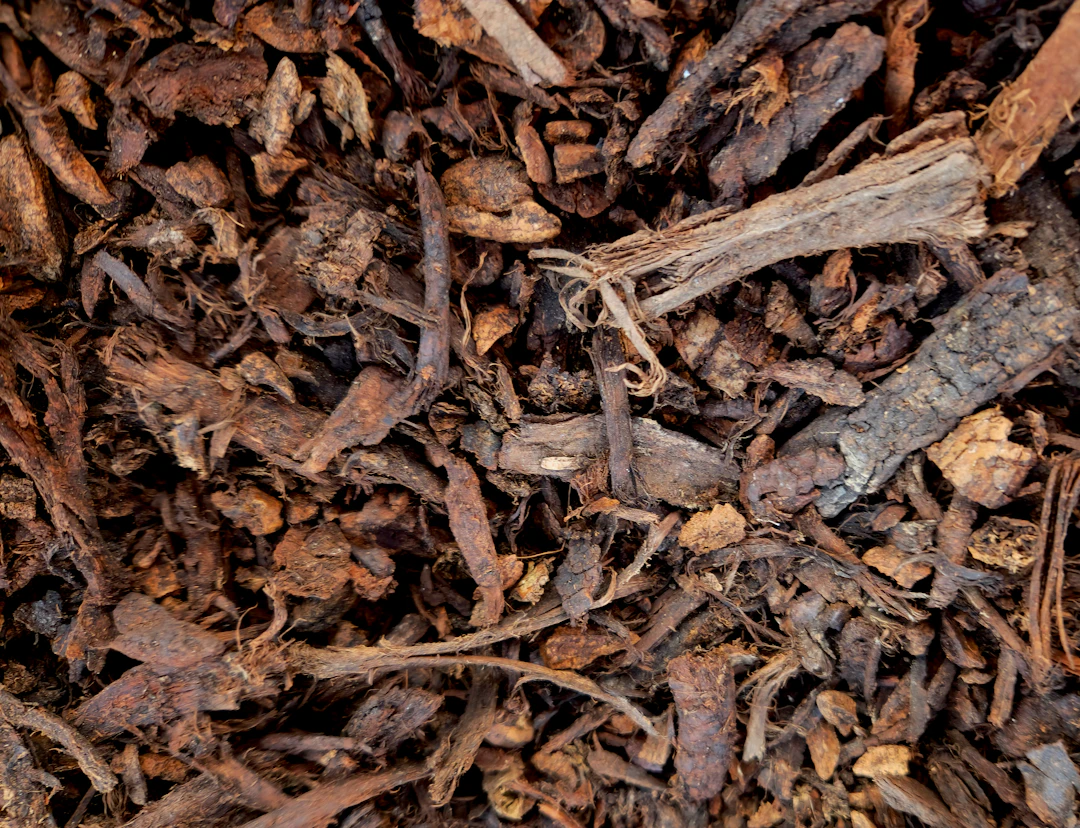
If you have garden beds near your lawn, applying mulch can suppress weed growth. Mulch blocks sunlight from reaching weed seeds while also retaining soil moisture for your plants.
Strategies for Controlling Weeds
Even with the best preventive practices, some weeds may still appear in your lawn. Here are effective strategies for controlling them:
1. Manual Removal
For small infestations, manual removal can be effective. Pull weeds from the root to ensure they don’t grow back. Wear gloves and remove them during a dry day to minimize soil disturbance.
2. Mulch and Landscape Fabric
Using mulch or landscape fabric in flower beds can prevent weeds from growing while maintaining moisture. Make sure to replace or replenish mulch periodically to keep it effective.
3. Organic Herbicides
Opting for organic herbicides can help target specific weeds without harming your lawn. Look for options that are safe for both your grass and the environment. Always follow the manufacturer’s instructions carefully.
4. Chemical Weed Control
If all else fails, chemical weed control is an option. However, this should be a last resort as it can harm beneficial insects and the environment. Ensure you choose a selective herbicide that targets the specific weeds while protecting your grass.
When to Seek Professional Help
Sometimes, the Presence of weeds can become overwhelming, and that’s when you may want to consider professional assistance. Hiring a local expert in lawn care Bell County can save you time and help you achieve your lawn goals effectively. Professionals bring the right tools, knowledge, and experience to manage weed issues effectively.
Research local services and check reviews to find a reputable mowing company that fits your needs. From routine mowing and aerating to lawn restoration efforts, a well-rounded maintenance plan can keep your lawn healthy while minimizing the impact of weeds.
Final Thoughts on Taming Your Lawn Weeds
Understanding the common weeds in Bell County and employing effective lawn care strategies can significantly improve your chances of maintaining a beautiful and healthy lawn. Remember, prevention is key, and when all else fails, don’t hesitate to reach out for professional service assistance. With diligence and the right strategies, you can transform your lawn into the envy of the neighborhood!
FAQs
What are common lawn weeds found in Bell County?
Common lawn weeds in Bell County include dandelions, clover, crabgrass, chickweed, and thistle.
How do weeds impact my lawn?
Weeds compete with your grass for essential nutrients, water, and sunlight, which can harm the overall health of your lawn.
What methods can I use to prevent weeds in my lawn?
Prevent weeds by practicing regular mowing, proper fertilization, aeration, proper watering, and using mulch.
How can I effectively control weeds that appear in my lawn?
You can control weeds by manually removing them, using mulch or landscape fabric, applying organic herbicides, or, as a last resort, using chemical weed control.
When should I consider hiring a professional for lawn care?
Consider hiring a professional when weeds become overwhelming or if you want to ensure that your lawn receives expert care and management.


Comments