

How to Identify Common Lawn Diseases: A Comprehensive Guide for Homeowners

Keeping your lawn healthy and vibrant is essential for enhancing the beauty of your home and increasing its curb appeal. However, lawn diseases can strike unexpectedly, turning your lush green yard into a patchy, unhealthy eyesore. In this article, we’ll delve into some common lawn diseases, their identification, prevention, and treatment methods. Understanding these diseases can also help you know when to reach out for professional mowing in Temple TX or Belton mowing services to restore your yard's health.
Understanding Lawn Diseases
Lawn diseases are caused by various factors, including fungi, bacteria, environmental conditions, and even pests. They can manifest through discoloration, patchy growth, or wilting. Early identification is key to managing these diseases effectively and can save you from expensive lawn repairs and extended restoration timelines.
Common Lawn Diseases and Their Identification
Here are some of the most common lawn diseases you might encounter:
1. Brown Patch
Brown patch is one of the most prevalent lawn diseases, particularly during warm and humid weather. It typically affects fescue and bluegrass lawns, resulting in circular patches of brown or dead grass. These patches can range from a few inches to several feet in diameter.
Symptoms: Circular brown patches; yellowish grass around the edges.
Causes: High moisture levels, excessive nitrogen use, and poor air circulation.
2. Dollar Spot
This disease is characterized by small, circular spots that are light tan or straw-colored. The spots may be about the size of a silver dollar, hence the name. Dollar spot thrives in conditions of high humidity and moderate temperatures.
Symptoms: Small, circular spots on the lawn; a thin, white cobweb-like mycelium may appear in morning dew.
Causes: Lack of nitrogen, low mowing height, and frequent close mowing.
3. Red Thread
Red thread primarily affects fescue and ryegrass lawns. It can be recognized by pink to red threads that develop on the grass blades. While it may not kill the grass, it can significantly detract from its appearance.
Symptoms: Pink, thread-like growths on the grass; irregular patches of yellowing grass.
Causes: Low nitrogen levels, moist conditions, and overall poor lawn health.
4. Necrotic Ring Spot
Necrotic ring spot presents as dead patches in the lawn with dark rings surrounding them. This disease affects cool-season grasses predominantly and thrives in situations of heavy thatch.
Symptoms: Rings of dead grass surrounded by green grass; patches may eventually coalesce.
Causes: Heavy thatch buildup, low soil nitrogen, and environmental stress.
5. Pythium Blight
This disease is often associated with hot, humid weather and can rapidly take over a lawn. Pythium blight results in a greasy appearance and soft texture of the grass that can appear water-soaked.
Symptoms: Water-soaked patches that become tan and may appear sticky; fungus may be visible.
Causes: Poor drainage, high nitrogen levels, and frequent watering during warm temperatures.
Steps for Diagnosis
Identifying lawn diseases can be tricky, but here's a simple checklist to help you determine the cause of your lawn's issues:
Observe the patterns of grass discoloration or dying patches.
Look for the presence of fungus or web-like growths on the grass blades.
Check the moisture level in the soil – is it too wet or too dry?
Evaluate your lawn care practices such as mowing frequency and fertilization methods.
Review environmental factors: Have there been recent heavy rains or extreme temperatures?
Preventing Lawn Diseases
Prevention is always better than cure. Most lawn diseases arise from neglect or improper care routines. Here are some tips to prevent common lawn diseases:
1. Proper Mowing Practices
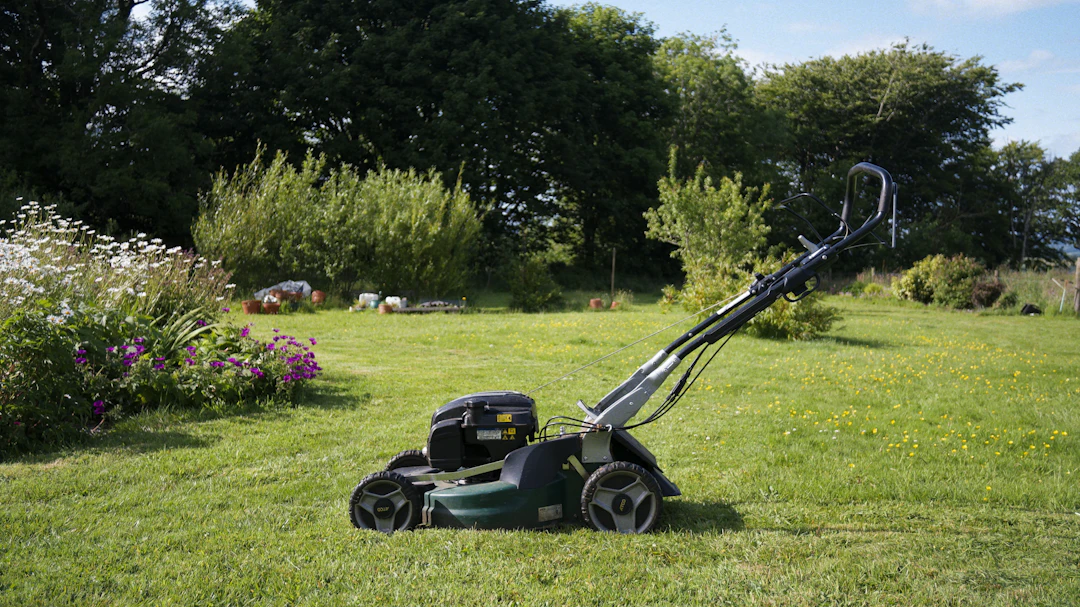
Regular mowing is essential for maintaining a healthy lawn. Make sure to:
Mow regularly and at the correct height to avoid scalping the grass.
Keep mower blades sharp to ensure a clean cut, which promotes healthy grass.
Consider hiring mowing services in Belton TX for consistent results.
2. Appropriate Watering Habits
Watering too much or too little can stress your lawn. Here’s how to manage watering effectively:
Water early in the morning to reduce evaporation and fungal growth.
Aim for deep watering, allowing soil to absorb moisture without causing puddles.
Use an irrigation system that can be regulated based on weather conditions.
3. Fertilizing Wisely
Make sure to provide your lawn with the correct nutrients by:
Testing soil to determine nutrient deficiencies.
Applying fertilizers based on the specific needs of your grass type.
Utilizing slow-release fertilizers to avoid nutrient spikes that can attract fungi.
4. Aeration and Thatch Management
Aerate your lawn to promote healthy root growth and reduce thatch buildup:
Perform aeration at least once a year, especially if your lawn is heavily used.
Consider dethatching if the thatch layer exceeds 1/2 inch.
Regularly rake fallen leaves to prevent moisture buildup.
Dealing with Lawn Diseases
If your lawn is already affected by disease, swift action is crucial:
1. Identify the Disease
Use the diagnostic steps previously mentioned to figure out which disease is affecting your lawn. Different diseases require different treatment approaches.
2. Remove Affected Grass
In severe cases, it may be necessary to remove infected patches to prevent further spread. Make sure to:
Dispose of any clippings to avoid transferring spores elsewhere.
Replace removed patches with healthy sod.
3. Apply Treatments
Depending on the disease, treatments can include:
Fungicides (as a last resort).
Adjusting watering or fertilization schedules.
Implementing cultural practices to support lawn health.
When to Seek Professional Help
If your attempts to revive your lawn aren’t yielding results, it may be time to consult a professional. Contact a local mowing company near me to get expert advice and assistance. Professionals can provide tailored solutions based on your lawn’s condition and needs.
Even if your lawn currently looks healthy, it’s still beneficial to invest in professional mowing in Temple TX or regular lawn care in Bell County. This proactive approach will help you maintain a beautiful landscape while reducing the risk of disease.
Your Lawn's Bright Future Awaits!
By gaining a deeper understanding of lawn diseases and their prevention, you are equipped to keep your yard looking lush and vibrant. Remember, identifying diseases early makes all the difference. Maintain your lawn with proper care and proactive measures, and consider enlisting local mowing services to support your efforts. Your dream lawn is within reach, so take action today to ensure its health for years to come!
FAQs
What are common symptoms of lawn diseases?
Common symptoms of lawn diseases include circular brown patches, yellowing grass edges, and irregular patches of discoloration. Some diseases might also show a cobweb-like fungus or water-soaked patches.
How can I prevent lawn diseases?
Prevent lawn diseases by practicing proper mowing, appropriate watering, wise fertilization, and managing aeration and thatch.
What should I do if my lawn is infected with a disease?
If your lawn is infected, identify the disease, remove affected grass, and apply appropriate treatments, including fungicides if necessary.
When is it advisable to seek professional help for lawn diseases?
Seek professional help if your attempts to revive your lawn aren't effective or if you need tailored solutions based on your lawn's condition.
What factors contribute to the development of lawn diseases?
Lawn diseases can be caused by fungi, bacteria, environmental conditions, pests, high moisture levels, poor air circulation, and nutrient imbalances.


Comments