

Green Dreams: Crafting Your Ultimate Sustainable Lawn Care Plan

A beautiful, vibrant lawn is more than just a patch of grass; it’s a reflection of your home and lifestyle. However, achieving that lush greenery sustainably is crucial for the environment, our communities, and our wallets. In this guide, we’ll explore how to create a sustainable lawn care plan that not only looks good but also helps nurture our planet.
Understanding Sustainable Lawn Care
Sustainable lawn care involves methods that are environmentally friendly, economically feasible, and socially responsible. This approach contributes to soil health, conserves water, and minimizes the use of harmful chemicals. With residents increasingly seeking mowing services Belton TX and surrounding areas, it is essential to adopt practices that reduce the ecological footprint of lawn maintenance.
1. Start with the Right Soil
Healthy soil is the foundation of a sustainable lawn. Here are several steps to enhance your soil’s health:
Soil Testing: Test your soil to determine its pH and nutrient levels. This helps you understand what amendments are necessary for optimal growth.
Organic Matter: Add compost or well-rotted manure to improve soil structure and nutrient availability.
Minimize Disturbance: Practice reduced tillage to maintain the natural ecosystem of soil organisms.
2. Choose the Right Grass Type
The grass species you choose can significantly impact the sustainability of your lawn. Different varieties have distinct water and nutrient requirements. Opt for drought-resistant grasses that thrive in your local climate—this can drastically cut down on the need for excessive irrigation. If you're looking for local expertise, consider reaching out to a local lawn care Bell County provider for recommendations.
3. Mowing Practices for Sustainability
Mowing is a fundamental aspect of lawn care, yet it can be inefficient if not done correctly. Here are some sustainable mowing practices:
Height Matters: Mow your grass at the correct height for the species you’ve selected. Taller grass shades the soil, reduces weed growth, and conserves moisture.
Leave Clippings: Instead of bagging grass clippings, leave them on the lawn. This helps return valuable nutrients back into the soil.
Use a Reel Mower: If possible, consider using a reel mower, which requires no fuel and is less harmful to the environment.
If you’re unable to maintain the lawn yourself, you might want to look into professional mowing in Temple TX. A reliable mowing company can ensure that your lawn is well-maintained without causing environmental harm.
4. Water Wisely
Watering is often the most significant aspect of lawn care, but it’s also where many homeowners waste resources. To ensure efficient irrigation:
Time Your Watering: Water your lawn early in the morning or late in the evening to minimize evaporation.
Use Rain Sensors: Install rain sensors on your irrigation systems to prevent overwatering.
Keep an Eye on Local Weather: Be aware of rain forecast and adjust your watering schedule accordingly.
Smart watering techniques align perfectly with sustainable practices that homeowners in areas like Belton can adopt. For those looking for assistance, seeking Belton mowing services may include irrigation solutions that support sustainability.
5. Fertilization Without Harm
Fertilizing your lawn can be a double-edged sword: while it promotes growth, discharging excess fertilizers can lead to environmental hazards. Here’s how to fertilize responsibly:
Organic Fertilizers: Use organic fertilizers that release nutrients slowly and improve the soil rather than relying on synthetic options.
Apply Conservatively: Apply fertilizers when your lawn truly needs them, following seasonal timing to ensure maximum effectiveness.
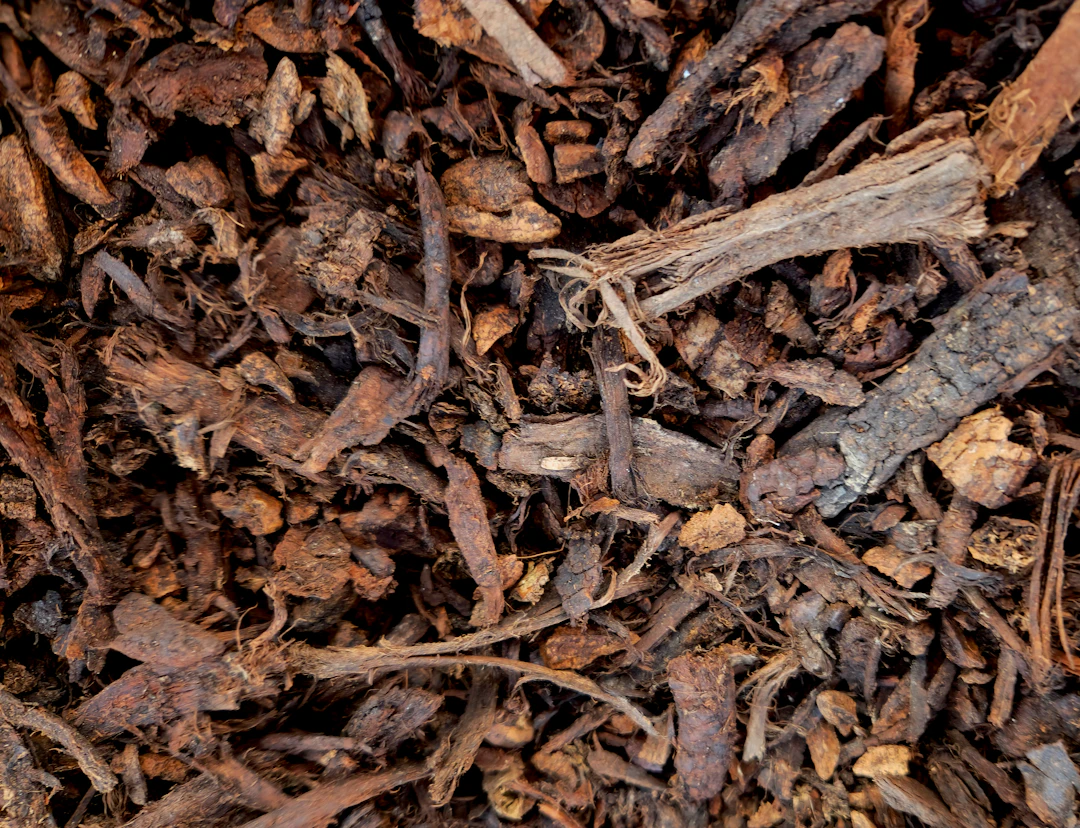
Mulching: Consider mulching as a method to enrich the soil and minimize nutrient loss.
6. Pest Management with Nature in Mind
Dealing with pests doesn’t have to mean resorting to harmful chemicals. Here’s how to implement integrated pest management (IPM):
Identify Pests: Learn to identify common lawn pests and their beneficial counterparts.
Encourage Beneficial Insects: Plant a diverse range of native flowers to attract beneficial insects that will help control pest populations naturally.
Regular Monitoring: Keep an eye on pest levels and manage them through cultural practices like crop rotation, instead of immediately leaning towards pesticides.
7. Aeration and Overseeding
Aerating your lawn helps relieve compacted soil, improve water absorption, and enhance root growth. Pairing aeration with overseeding can create a thicker, healthier lawn. Here are some tips:
Fall Aeration: Fall is the ideal time to aerate and overseed since conditions are optimal for growth.
Follow Up: Ensure to water and fertilize appropriately after aeration to support new growth.
Use Native Seed Varieties: Selecting native grass seeds will benefit local ecology and ensure lower water and maintenance needs.
8. Maintenance in Different Seasons
Every season brings unique challenges and opportunities for lawn care. Here’s how to adapt your sustainable plan to changing weather conditions:
Spring
In spring, focus on soil preparation, aeration, and overseeding to kickstart growth. Remove any debris and apply organic fertilizer to promote lush growth.
Summer
In the summer months, practice efficient watering and implement mulch to conserve moisture. Monitor for pests more actively and manage weeds to prevent competition.
Fall
During fall, it’s the right time for aeration and overseeding. Begin preparing your lawn for winter by applying fertilizer and keeping it clean.
Winter
Finally, during winter, let your lawn rest. Avoid trampling on frozen grass and focus on planning for the upcoming seasons while researching local mowing company near me options.
The Road Ahead
Creating a sustainable lawn care plan takes commitment and knowledge, but the rewards are profound. By adopting responsible practices today, you’re not just ensuring a beautiful landscape but also fostering a healthier environment for future generations. From using mowing services Belton TX to implementing natural pest control, every little bit counts.
So, start your green journey today! Remember, sustainability is about making the best choices you can. Assess your lawn's needs, get help from local experts, and take steps that contribute to both aesthetics and the environment. Your lawn can become not just a beautiful space but a sanctuary for nature as well. With a little love and care, transforming your lawn into a sustainable masterpiece is entirely possible. Happy gardening!
FAQs
What is sustainable lawn care?
Sustainable lawn care involves environmentally friendly, economically feasible, and socially responsible practices that promote soil health, conserve water, and minimize the use of harmful chemicals.
How can I improve my soil for a sustainable lawn?
You can improve your soil by testing its pH and nutrient levels, adding organic matter like compost, and practicing reduced tillage to maintain soil ecosystems.
What grass type should I choose for a sustainable lawn?
Opt for drought-resistant grasses that are well-suited to your local climate to reduce the need for excessive irrigation.
What are some sustainable mowing practices?
Sustainable mowing practices include mowing at the correct height, leaving grass clippings on the lawn, and using a reel mower to reduce environmental impact.
How can I manage pests in an environmentally friendly way?
Implement integrated pest management (IPM) by identifying pests, encouraging beneficial insects, and monitoring pest levels without immediately resorting to chemicals.


Comments