

Eco-Friendly Lawn Care: Your Guide to a Greener Yard

Maintaining a beautiful lawn doesn’t have to come at the expense of the environment. With the rise of sustainable lawn care practices, homeowners can achieve lush green spaces while also reducing their carbon footprint. Whether you’re searching for efficient mowing services in Belton, TX or simply want to adopt better practices for your garden, this guide will provide you with all the essential tips for a sustainable lawn care routine.
Understanding Sustainable Lawn Care
Sustainable lawn care refers to practices that promote healthy lawns while being ecologically responsible. This can include reducing water usage, minimizing synthetic chemical applications, and enhancing soil health. By incorporating these practices, residents of Bell County can not only improve their own landscapes but also contribute positively to the local ecosystem.
1. Choose the Right Grass for Your Region
The first step to sustainable lawn care is selecting a grass variety that thrives in your local climate. Native grasses are often hardier and require less water than non-native species. For those in central Texas, consider drought-resistant varieties that can withstand heat. This choice minimizes the need for excessive irrigation, thus saving water.
Native Grasses: Choose species that are adapted to your soil and climate.
Drought-Tolerant Varieties: Look for grasses that can survive prolonged dry spells.
2. Mow Smart
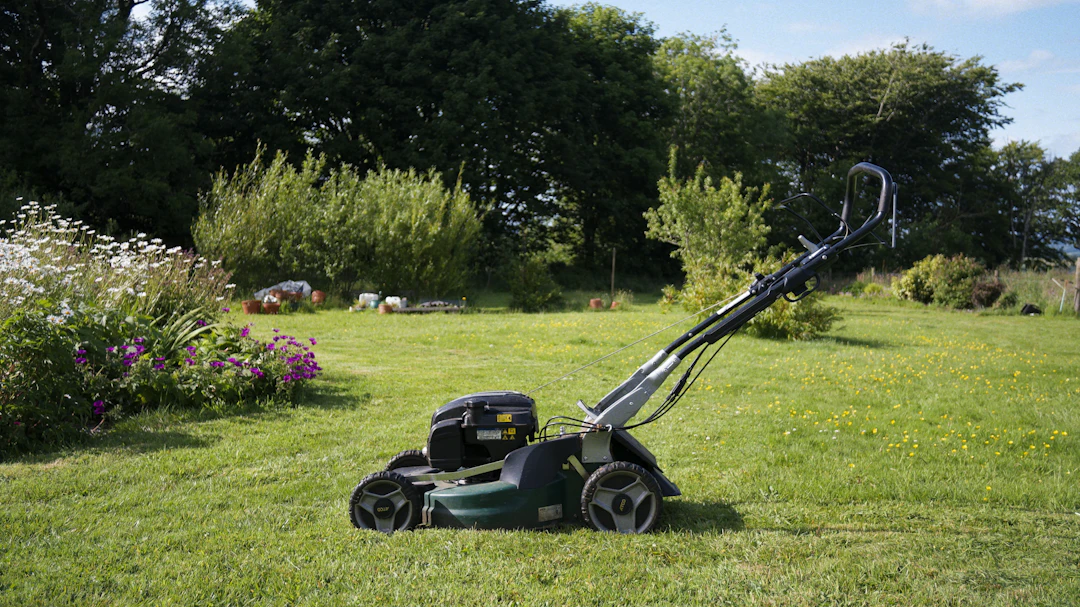
Mowing is one of the most common lawn care tasks, but how you mow can significantly impact sustainability. For those seeking professional mowing in Temple, TX, consider this: mowing at the right height can benefit your lawn immensely. Keeping grass taller provides shade for the root system, reduces weed growth, and retains moisture better.
Best Practices for Mowing
Mow when grass is dry to avoid clumping.
Keep mower blades sharp for clean cuts.
Aim for a height of 3 to 4 inches for most grass types.
Consider mulching grass clippings to return nutrients to the soil.
3. Efficient Watering Techniques
Watering is essential but can be wasteful if not done correctly. Installing a rain sensor and using a drip irrigation system can ensure that your landscape only receives the water it needs. Additionally, watering in the early morning or late evening minimizes evaporation loss.
Watering Tips to Remember
Water deeply but less frequently.
Collect rainwater using barrels.
Limit watering to once or twice a week.
4. Fertilize Responsibly
Fertilizers can be beneficial for lawn health, but overusing them can harm the environment, contaminating waterways and harming local wildlife. Instead of synthetic fertilizers, consider organic alternatives that break down and enrich the soil without the adverse effects.
Natural Fertilization Strategies
Compost: Use kitchen scraps and yard waste to create nutrient-rich compost.
Soil Testing: Test your soil to determine what nutrients are needed.
Organic Fertilizers: Choose products that are environmentally friendly and safe for local wildlife.
5. Pest Management the Natural Way
Many homeowners turn to chemical pesticides to control pests, but this can backfire, harming beneficial insects and local ecosystems. Instead, employ integrated pest management (IPM) strategies.
IPM Techniques Include:
Naturally Repelling Plants: Incorporate flowers like marigolds that repel harmful insects.
Beneficial Insects: Attract insects like ladybugs that consume pests.
Manual Removal: Regularly check plants for infestations and remove pests by hand when possible.
6. Embrace Lawn Alternatives
A lawn is not the only option for a beautiful yard. Consider incorporating ground covers or native flower beds that require less maintenance and water. This approach adds diversity to your landscape while reducing the need for constant care. For residents looking for Belton mowing services, these alternatives can help lessen the frequency of mowing.
Ground Cover Options
Clover: Low-growing, drought-resistant and nitrogen-fixing.
Thyme: Aromatic, robust, and can handle foot traffic.
Native Wildflowers: Attractive to pollinators and low maintenance.
7. Consider Professional Help
If you find maintaining your lawn overwhelming, look for a mowing company near me that specializes in sustainable practices. Professional services can help implement eco-friendly techniques that are tailored to your specific lawn needs while saving you the time and effort.
Benefits of Hiring Professionals
Expert Knowledge: Professionals understand local plants and pest dynamics.
Time-Saving: Free up your weekends for relaxation.
Consistent Maintenance: Ensure your lawn is uniformly cared for.
8. Use Mulching Practices
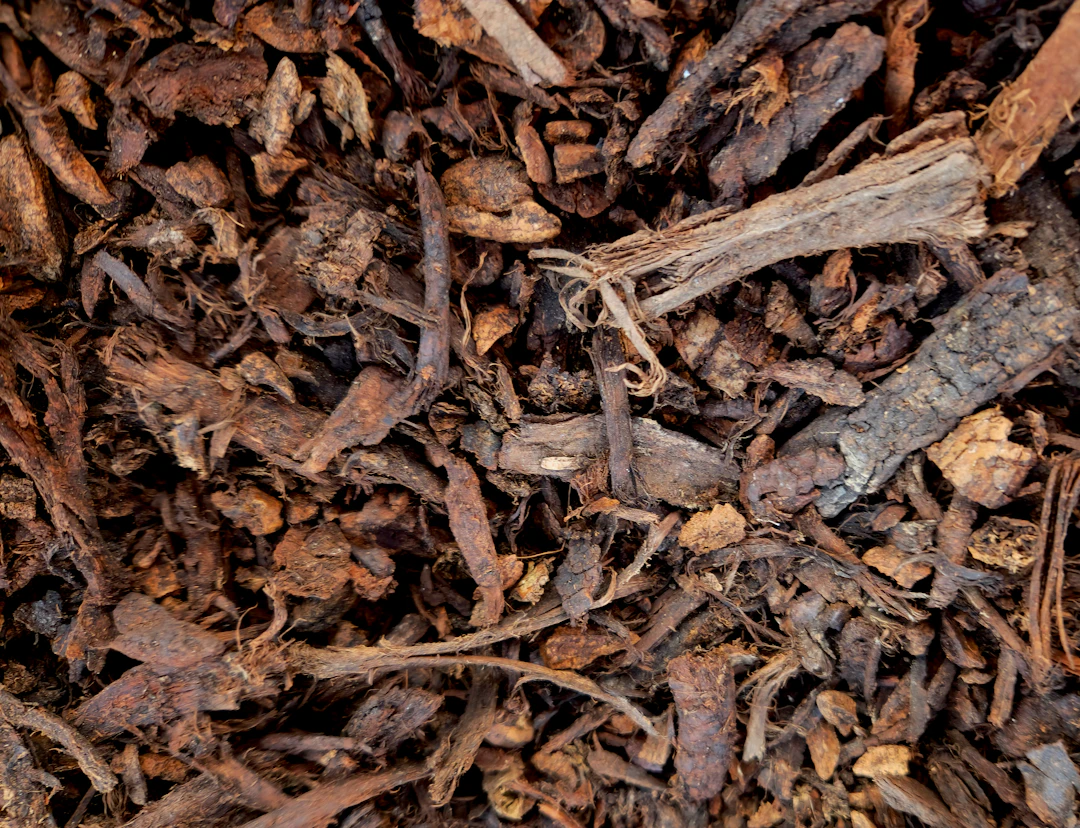
Instead of bagging your grass clippings, consider leaving them on the lawn. Mulching not only reduces waste but also provides natural nutrients as they decompose, promoting healthier grass. Additionally, consider mulching around trees and flower beds to suppress weeds and retain moisture.
9. Practice Soil Conservation
The health of your lawn relies heavily on the quality of the soil beneath it. Implementing measures to protect and enrich your soil promotes a resilient lawn that can withstand pests, drought, and disease. Aeration, composting, and using ground cover plants can improve soil structure and provide essential nutrients.
10. Educate Yourself and Your Family
Lastly, the best way to maintain sustainable lawn care is to educate everyone in your household about good practices. This could involve setting up a watering schedule, teaching children about composting, and encouraging them to help with maintenance. Building an understanding of sustainable practices can lead to a long-lasting commitment to environmentally friendly lawn care.
A Greener Path Ahead
By following these tips, residents in Bell County and surrounding areas can create a stunning and sustainable lawn that contributes positively to the environment. Embracing eco-friendly practices can be rewarding both for your garden and the planet. With dedication, a lovely lawn that flourishes sustainably is not just a dream—it’s a reality waiting to happen! So, put on your gardening gloves and start your journey towards a greener, more sustainable lawn today.
FAQs
What is sustainable lawn care?
Sustainable lawn care refers to practices that promote healthy lawns while being ecologically responsible, such as reducing water usage, minimizing synthetic chemicals, and enhancing soil health.
What types of grass are best for sustainable lawn care in central Texas?
Native grasses and drought-resistant varieties are best, as they thrive in the local climate and require less water.
How can I mow my lawn more sustainably?
Mow at the right height (3 to 4 inches), keep mower blades sharp, mow when grass is dry, and consider mulching grass clippings to return nutrients to the soil.
What are some effective watering techniques for eco-friendly lawn care?
Water deeply but less frequently, install a rain sensor, use a drip irrigation system, and water in the early morning or late evening to minimize evaporation loss.
What alternatives are there to traditional lawns?
Consider incorporating ground covers such as clover or thyme, or establish native flower beds that require less maintenance and water.


Comments